
7 Best Types of Sustainable Beverage Packaging

Best Types of Sustainable Beverage Packaging: Materials, Formats, and Tradeoffs
Sustainable beverage packaging has become a top priority for brands as consumers, retailers, and regulators push for reduced environmental impact. From bottles and cartons to cans and labels, beverage companies must balance sustainability goals with product protection, shelf life, and supply chain efficiency. In this guide, Meyers breaks down the best types of sustainable beverage packaging, the materials behind them, and the key considerations brands should evaluate when choosing packaging for water, soft drinks, dairy, alcohol, and functional beverages.
With experience supporting beverage brands through labeling, folding cartons, and packaging optimization, Meyers helps companies evaluate sustainability claims, performance requirements, and real-world production tradeoffs to select packaging solutions that work at scale.
Quick Answer: Best Types of Sustainable Beverage Packaging
- Paperboard folding cartons are a leading sustainable option for multi-pack beverage cartons, reducing plastic use while offering strong shelf presence.
- Pressure-sensitive labels remain essential for cans and bottles, and sustainable label materials can improve recyclability without sacrificing performance.
- Lightweighting cartons and optimizing board grades often deliver meaningful sustainability gains.
- Label material compatibility plays a key role in can and bottle recyclability.
- On-pack communication helps consumers understand how to recycle both cartons and containers.
- Aluminum cans are highly recyclable and lightweight, making them a popular choice for many beverage categories.
- Glass bottles are widely recyclable and reusable, but come with higher weight and transportation impacts.
- Plant-based and bio-based plastics can reduce reliance on fossil fuels, though recyclability varies by material and region.
- Meyers supports beverage brands with carton packaging and pressure sensitive labels designed for sustainability and retail performance.
7 Types of Sustainable Beverage Packaging
Sustainable and responsible beverage packaging must not only conform to retail standards but also exemplify a commitment to environmental responsibility. Discover the best types of sustainable beverage packaging and embrace a future where refreshment comes without a hefty ecological toll.
1. Glass
Glass packaging is an ideal material for eco-friendly beverage packaging due to its recyclability without loss of quality and durability. It’s easy to clean and transportable, making it appealing to consumers.
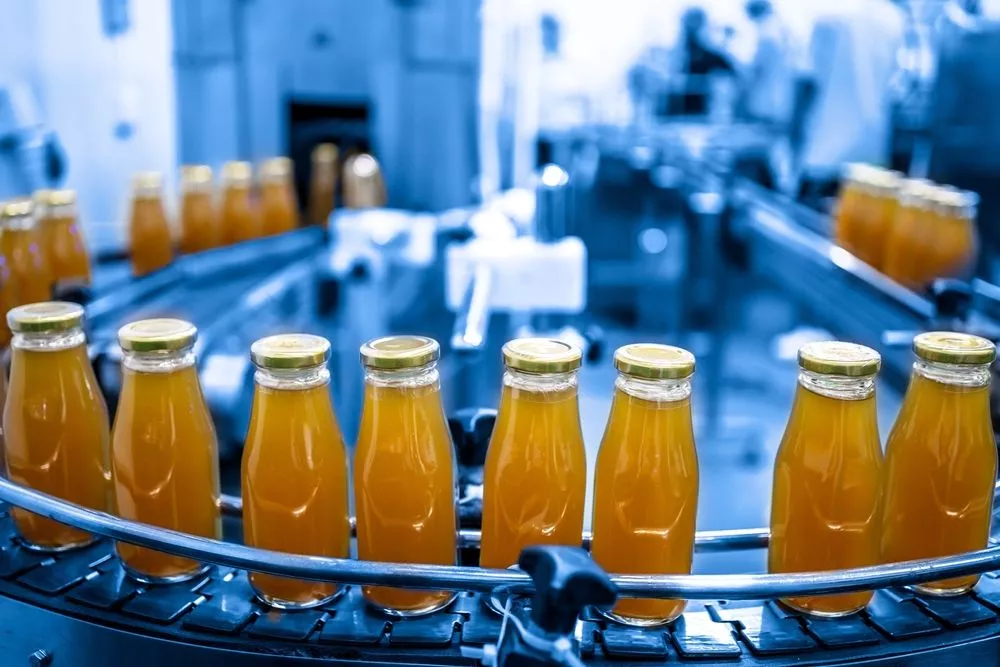
More importantly, glass packaging can be discarded with minimal negative environmental impact. It contributes to a circular economy by facilitating endless recycling without compromising the integrity of the material.
2. Aluminum
Known for its high recyclability, energy efficiency, and versatility, aluminum serves as a sustainable alternative for beverage containers. It can be recycled indefinitely without compromising quality, contributing to a closed-loop recycling system. The material’s lightweight nature also reduces transportation-related emissions.
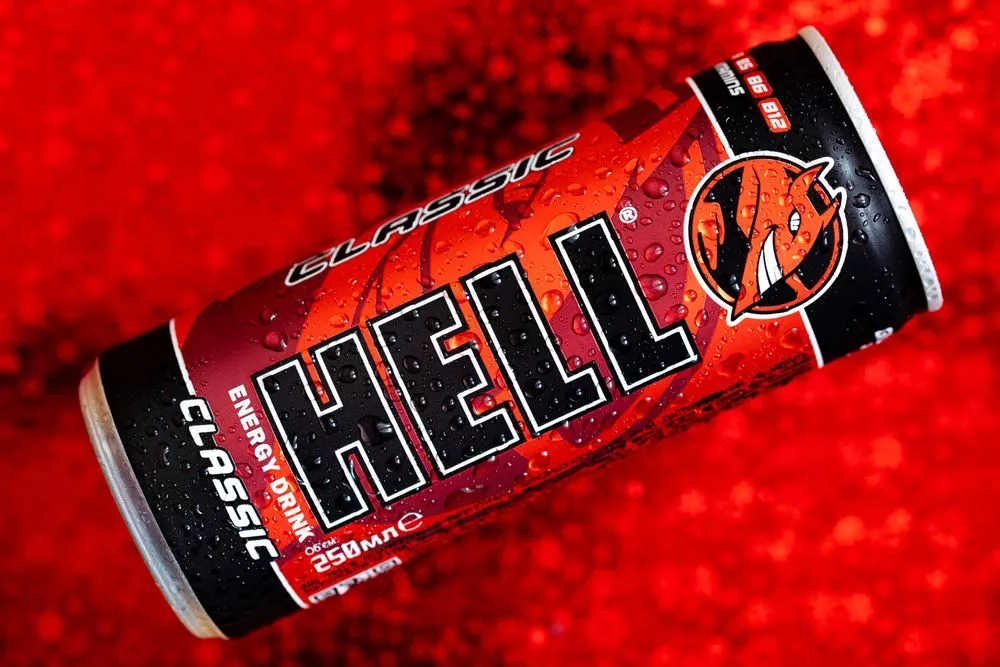
Aluminum cans, for instance, typically require fewer resources, such as energy and water, during the manufacturing process. Their lightweight nature also reduces transportation-related emissions, resulting in a lower carbon footprint.
3. Paperboard
Recycled paperboard, derived from post-consumer waste, contributes to a closed-loop system that can lead to better conservation of natural resources. The material is versatile and adaptable, making it an ideal choice for sustainable beverage packaging.
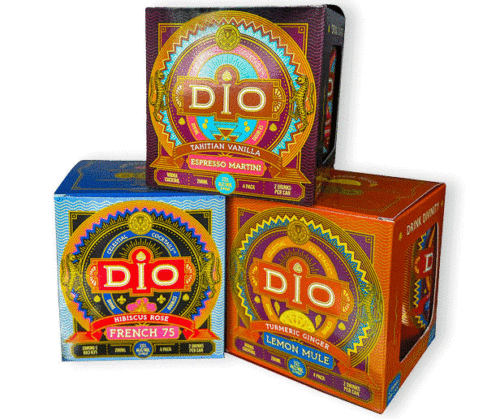
By utilizing recycled fibers, brands can not only enhance their eco-credentials but also actively contribute to the reduction of landfill waste. Beverage cartons made from responsibly sourced paperboard and plant-based or water-based coatings provide a sustainable alternative to plastic bottles. These cartons are lightweight, recyclable, and often come with high renewable content.
How Meyers Helps Beverage Brands Use Cartons and Labels More Sustainably
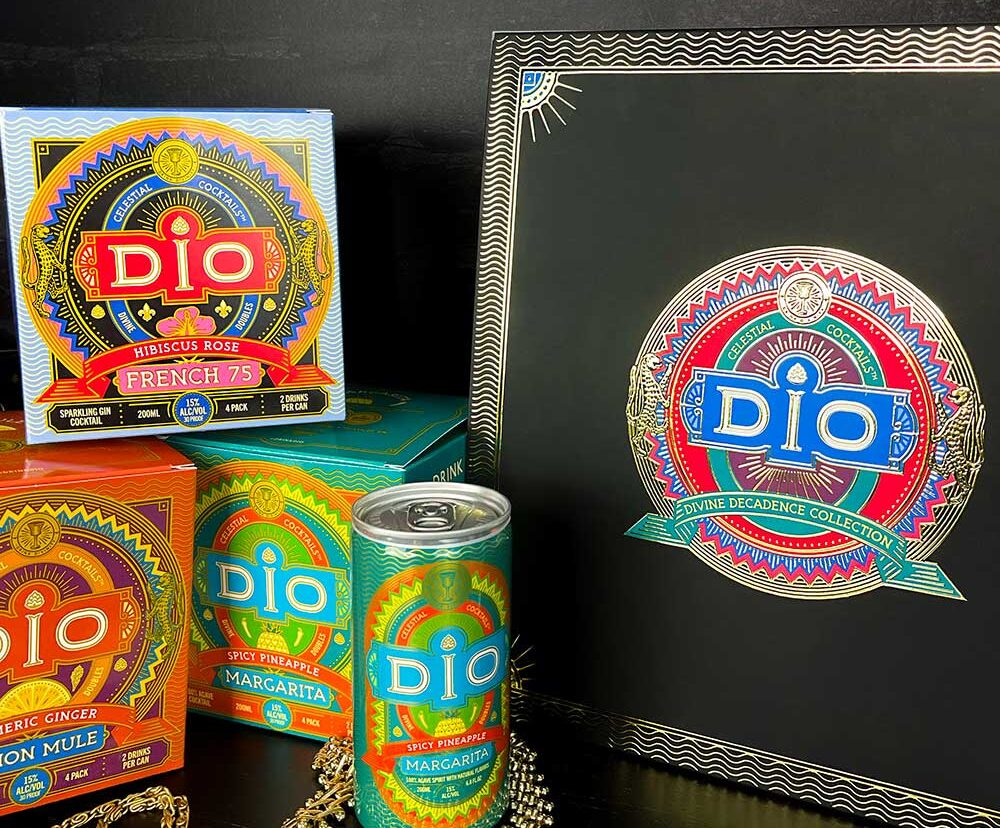
For beverage brands selling multipacks, sustainability decisions often center on carton packaging and labeling systems, not just the primary container. Folding cartons used for 4-pack and 6-pack cans can significantly reduce plastic use while improving stackability, protection, and shelf presence. At the same time, pressure-sensitive labels must perform reliably on cans and bottles exposed to moisture, refrigeration, and high-speed filling.
At Meyers, we help beverage brands design carton and label systems that work together. This includes selecting paperboard grades optimized for strength and material efficiency, designing cartons for retail handling and distribution, and choosing pressure-sensitive label materials and adhesives that support recyclability and durability.
By taking a system-level approach to cartons and labels, Meyers helps beverage brands improve sustainability outcomes without compromising performance, compliance, or brand impact.
4. Minimalist design
Minimalist packaging revolves around the strategic elimination of unnecessary components, streamlining design, and minimizing excess materials. These can contribute to packaging waste reduction and communicate a brand’s commitment to simplicity and clarity while resonating with environmentally conscious consumers.
5. Plant-based materials
Plant-based packaging derived from renewable sources like cornstarch, sugarcane, or algae has gained popularity. For instance, bioplastics offer comparable functionality to traditional plastics while being compostable or biodegradable.
Sugarcane-based polyethylene is a plant-based material typically used to create bottles that are both recyclable and derived from renewable sources. These bottles have less environmental impact compared to traditional petroleum-based plastics.
6. Refillable and reusable packaging
By encouraging consumers to refill or reuse containers, brands actively contribute to waste reduction. The durability and longevity of such packaging options further emphasize their positive environmental impact.
Reusable glass bottles serve as eco-friendly alternatives to single-use plastic milk containers in the dairy industry. Consumers purchase milk in glass bottles and return them in-store or at designated drop-off points. The bottles are then collected, sterilized, and refilled for future use.
The brewing industry has also embraced reusable packaging in the form of refillable kegs for draft beer and other beverages. These stainless steel or plastic kegs can be cleaned, refilled, and transported back to the brewery or beverage distributors, reducing the environmental impact of single-use cans or bottles.
7. Smart packaging solutions
Smart packaging integrates technology to enhance the functionality and sustainability of beverage packaging. This includes features like QR codes for recycling information, RFID labels for freshness monitoring, and interactive elements that engage consumers. Such innovations contribute to a more informed and conscientious consumer base.
Today, QR codes on beverage bottles can allow consumers to tap their smartphones to access information about the product’s lifecycle, including details about the sourcing of ingredients and the brand’s sustainability initiatives. This transparency fosters trust and encourages environmentally conscious purchasing decisions.
Sipping Sustainability: Craft a Greener Future for Beverage Packaging
From the strategic selection of eco-friendly materials to the implementation of innovative designs, today’s beverage packaging strategies are no longer merely about how to store drinks for consumption.
Beverage companies must now explore and implement strategies such as life cycle assessments, eco-design principles, or collaborations with reliable sustainable packaging manufacturers. By doing so, they can ensure their packaging is truly eco-friendly and aligns with the principles of sustainability.
For further insights into eco-friendly, folding carton packaging and innovative designs, reach out to Meyers experts. Let’s start crafting a future where refreshment and responsibility go hand in hand.
Frequently Asked Questions About Sustainable Beverage Packaging
Yes. Paperboard folding cartons are widely used for 4-pack and 6-pack beverages and can reduce plastic usage while offering strong recyclability when sourced and designed properly.
Cartons eliminate plastic ring carriers, improve product protection, and provide more space for branding and required information, while also supporting sustainability goals.
Label materials and adhesives can impact recyclability. Using compatible pressure-sensitive labels helps support clean recycling streams for cans and bottles.
Yes. Labels designed for refrigerated and high-moisture conditions can maintain adhesion and legibility throughout the product lifecycle.
Sustainable beverage cartons often use recyclable paperboard, optimized coatings, and inks designed for retail durability and recyclability.
Optimizing carton design, reducing material usage, and improving label compatibility can deliver sustainability gains without changing the primary container.
Yes. Folding cartons are commonly designed for shelf-ready and fridge-ready retail displays, improving merchandising efficiency.
Cartons and labels provide space to clearly communicate recycling instructions and sustainability messaging to consumers.
Last Updated on January 14, 2026