
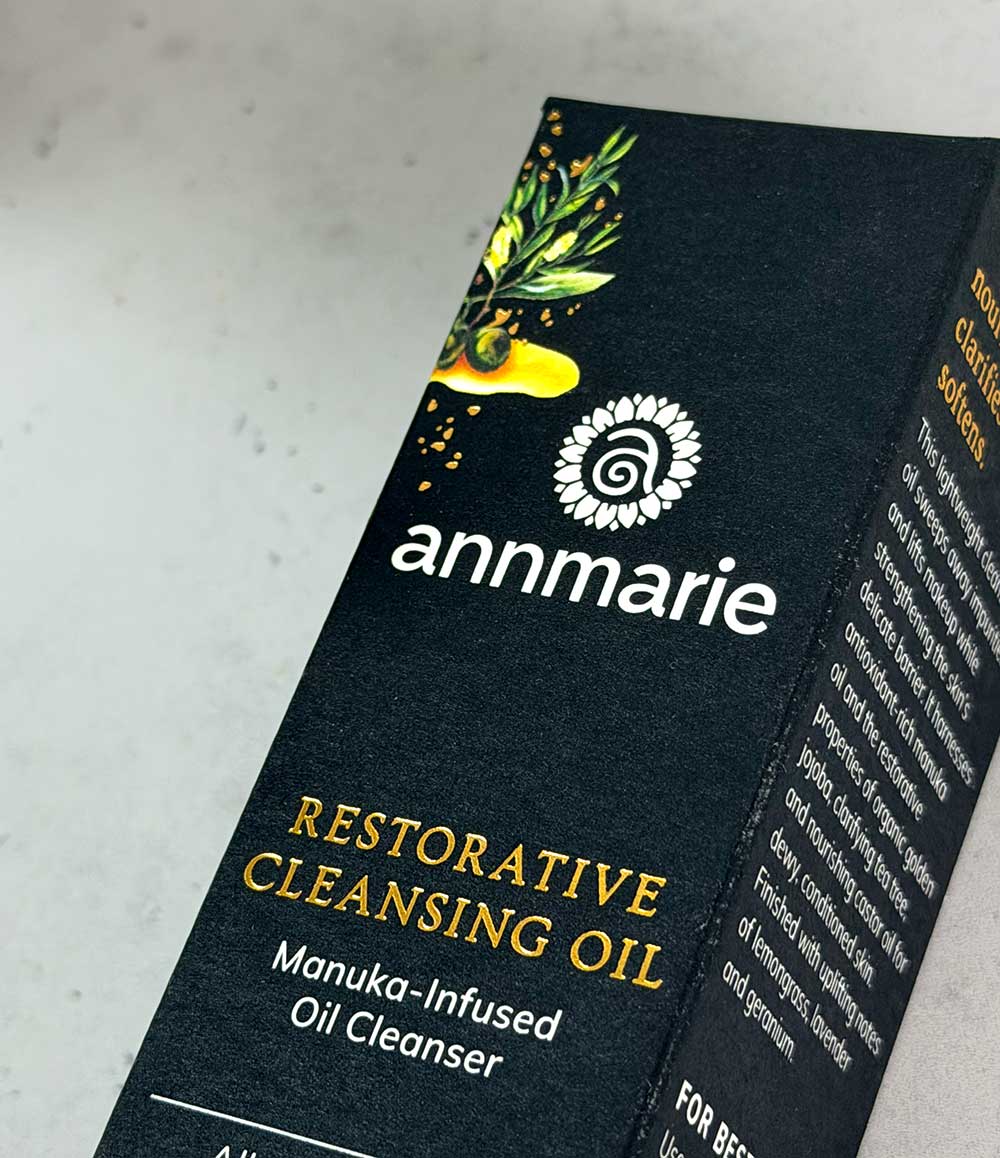
Folding Carton Coatings & Finishes: A Complete Guide for Packaging Brands

Key Takeaways
- Folding carton coatings and finishes can protect printed graphics, change surface appearance, add texture, and help packaging stand out on crowded retail shelves.
- Aqueous coating is a versatile option for general surface protection, while UV coating is often used when brands want greater shine, durability, and visual impact.
- Soft-touch, spot UV, foil, embossing, and debossing are specialty finishing options that can create tactile, reflective, or dimensional effects on paperboard packaging.
- Matte finishes generally create a more understated, low-glare appearance, while gloss finishes increase reflectivity and can make printed colors appear more vibrant.
- The right folding carton finish depends on the product, substrate, retail environment, durability requirements, sustainability goals, production volume, and budget.
- Food packaging may require additional consideration for food contact, grease, moisture, refrigeration, or other performance requirements, while cosmetics packaging often places greater emphasis on tactile experience and premium presentation.
- Brands should evaluate physical samples whenever possible because coatings, metallic effects, texture, and reflectivity can look significantly different on printed paperboard than they do on a screen.
Why Folding Carton Coatings and Finishes Matter for CPG Brands
Folding carton coatings and finishes do more than make packaging look polished. They can protect printed graphics, influence how colors appear, change how the carton feels in a shopper’s hand, and direct attention to important elements such as the logo, product name, or key product benefits. Options such as aqueous coating, UV coating, soft-touch, spot UV, foil, embossing, debossing, matte, and gloss finishes give CPG brands different ways to balance appearance, performance, sustainability, and cost.
The best finish is not necessarily the most elaborate one. It is the option that supports a clear packaging objective and works with the paperboard, artwork, product, production process, distribution environment, and consumer experience.
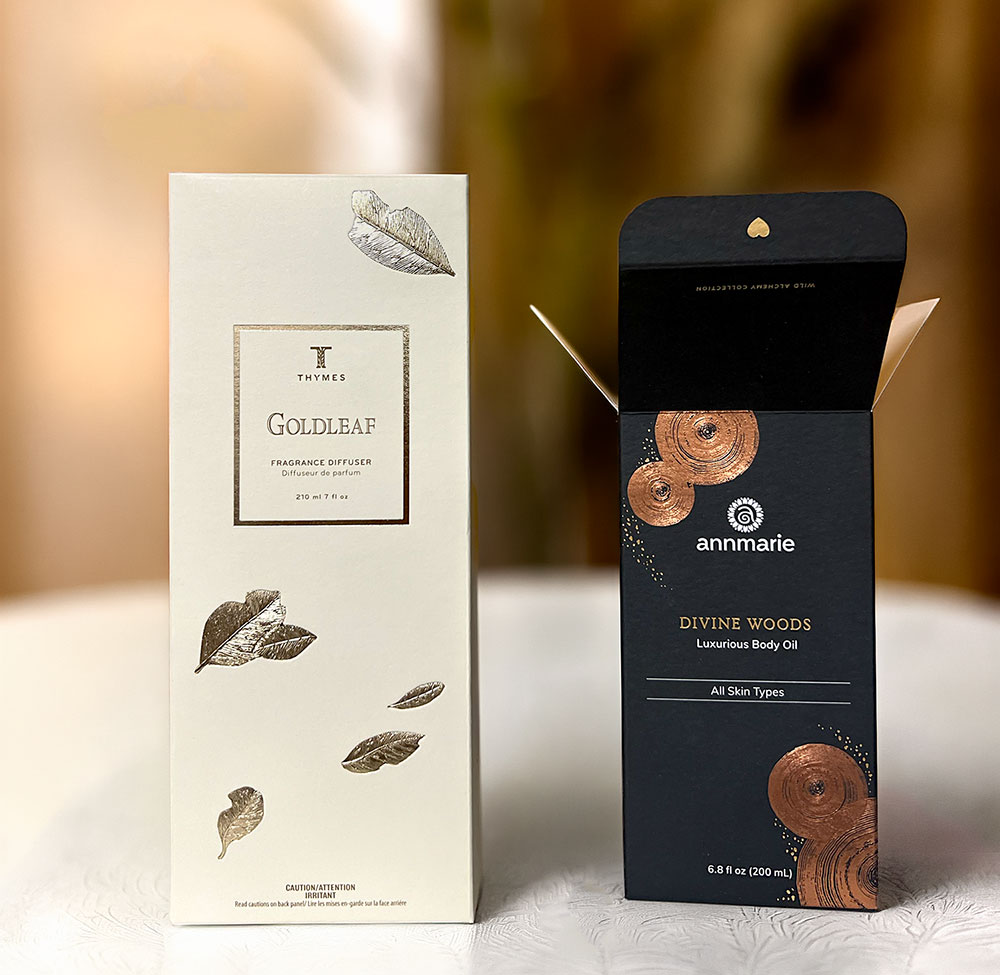
Folding Carton Coatings and Finishes at a Glance
| Finish | Primary Benefit | Visual / Tactile Effect | Relative Cost | Best Used For |
|---|---|---|---|---|
| Aqueous Coating | General surface protection | Matte, satin, or gloss | $ | Food, wellness, everyday CPG |
| UV Coating | Durability and visual impact | High-gloss or matte | $$ | Beauty, personal care, premium retail |
| Soft-Touch | Premium tactile experience | Velvety, smooth, low-glare | $$–$$$ | Cosmetics, skincare, premium products |
| Spot UV | Highlights selected elements | Glossy contrast | $$–$$$ | Logos, typography, patterns |
| Foil | Metallic emphasis | Reflective, metallic detail | $$$ | Cosmetics, gifting, premium products |
| Embossing | Adds physical dimension | Raised and tactile | $$$ | Logos and premium branding |
| Debossing | Adds subtle dimensional detail | Recessed and tactile | $$$ | Minimalist and premium packaging |
| Matte Finish | Understated presentation | Smooth, low-glare | $–$$ | Beauty, wellness, natural products |
| Gloss Finish | Color and visual impact | Bright, polished, reflective | $–$$ | Food and graphic-heavy packaging |
*Relative costs are directional. Actual costs depend on production volume, substrate, coverage, tooling, carton dimensions, printing process, and other project specifications.
What Are Folding Carton Coatings and Finishes?
Folding carton coatings and finishes are treatments applied during or after printing to protect the carton, change its surface appearance, add texture, or highlight specific design elements.
Although the terms are sometimes used interchangeably, coatings and specialty finishes can serve different purposes.
A coating is generally applied to a printed surface to provide protection or alter characteristics such as gloss, matte appearance, or texture.
A specialty finish or embellishment is typically used to create a more distinctive visual or tactile effect. Foil stamping, embossing, debossing, and selective gloss treatments are common examples.
These Treatments can help packaging:
- Resist scuffing and handling
- Enhance printed colors
- Create matte or glossy surfaces
- Introduce tactile effects
- Highlight logos or typography
- Create metallic or dimensional elements
- Support premium product positioning
- Differentiate products at retail
The best option depends on the product, paperboard, carton design, distribution environment, brand positioning, budget, and sustainability requirements.
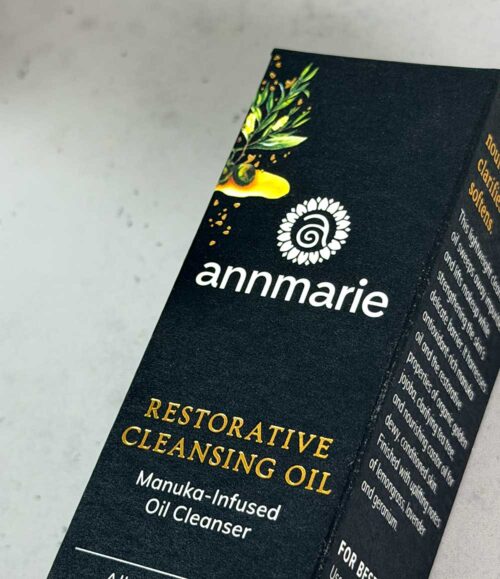
What Is Aqueous Coating for Folding Cartons?
Aqueous coating is a water-based coating applied over printed paperboard to provide surface protection and create a matte, satin, or gloss appearance.
It is one of the most versatile coating options for folding cartons and is commonly used for consumer packaged goods.
Benefits of Aqueous Coating
Aqueous coatings can provide:
- General print and surface protection
- Improved resistance to scuffing
- Consistent appearance
- Matte, satin, or gloss effects
- Cost efficiency for many higher-volume applications
- A water-based coating option
Aqueous is particularly useful when the coating isn’t supposed to become the visual centerpiece of the package. Instead, it protects and complements the printed graphics.
When Should You Use Aqueous Coating?
Consider aqueous coating when you need a versatile, economical coating that provides general surface protection without requiring a specialty embellishment.
Common applications: Food, wellness, household products, personal care, and other high-volume CPG packaging.

What Is UV Coating on Folding Cartons?
UV coating is a liquid coating cured using ultraviolet light to create a durable surface that can produce a high-gloss or other specialized appearance.
Gloss UV coating is particularly useful when brands want saturated colors, photography, or illustrations to have greater visual impact.
Benefits of UV Coating
UV Coating Can Provide:
- High visual impact
- Strong gloss
- Enhanced color appearance
- Surface durability
- Scuff resistance
- A polished retail presentation
When Should You Use UV Coating?
Consider UV coating when color vibrancy, shine, durability, or shelf presence is a priority.
Common applications: Cosmetics, personal care, wellness, premium food, and graphic-heavy retail packaging.
When Might UV Coating Not Be the Best Choice?
High-gloss surfaces can create glare under certain lighting conditions. Brands seeking a subdued, natural, minimalist, or highly tactile presentation may prefer matte, satin, or soft-touch alternatives.
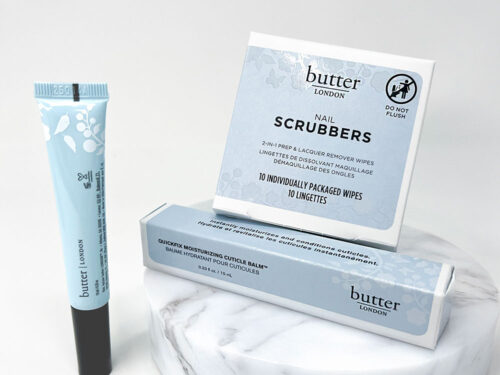
What is a Soft Touch Coating?
Soft-touch coating creates a smooth, velvety surface that gives folding cartons a distinctive tactile quality.
Unlike a standard matte treatment, soft-touch is selected specifically because of how the carton feels in the consumer’s hand.
That can make it particularly valuable for products where touch contributes to perceived quality.
Benefits of Soft-Touch Coating
Soft-touch can:
- Create a velvety tactile experience
- Reduce surface glare
- Support premium positioning
- Differentiate packaging through touch
- Complement minimalist carton designs
For packaging teams, quiet zone issues often happen when a QR code is squeezed into a small panel or placed too close to required copy, nutrition facts, icons, folds, or design elements.
When Should You Use Soft-Touch?
Soft-touch is a strong option when the consumer is likely to handle the carton before purchase and tactile experience reinforces the brand or product positioning.
Common applications: Cosmetics, skincare, fragrance, premium wellness, specialty food, and gift-oriented products.
Meyers Expert Insight: A specialty finish should have a job. If everything on the carton is tactile, shiny, metallic, or dimensional, visual hierarchy can disappear. A restrained base finish combined with one intentional embellishment can often make the most important element more noticeable.
What is Spot UV?
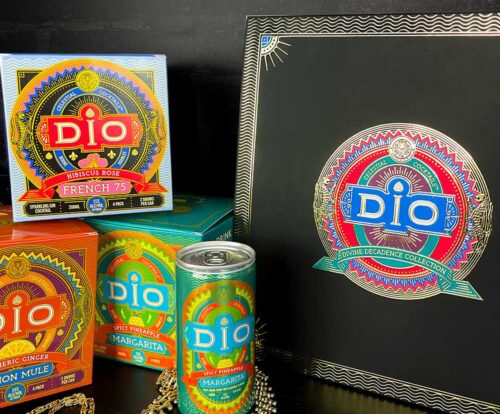
Spot UV is a UV coating applied to selected areas of a folding carton rather than the entire printed surface.
It creates contrast by placing glossy elements next to areas with a different surface appearance.
For example, a matte cosmetic carton could use spot UV on the brand name, a background pattern, or a product illustration. As the carton moves under light, the selectively coated area becomes more visible.
What is Spot UV Used For?
Spot UV is Commonly Used to Highlight:
- Logos
- Brand names
- Product names
- Patterns
- Illustrations
- Background textures
- Selected typography
When Should You Use Spot UV?
Choose spot UV when you want certain design elements to stand out without applying a high-gloss coating across the entire carton.
Common applications: Cosmetics, skincare, wellness, premium foods, product launches, and minimalist packaging.
What Is Foil Stamping on Folding Cartons?
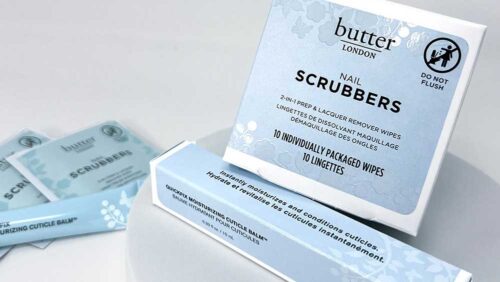
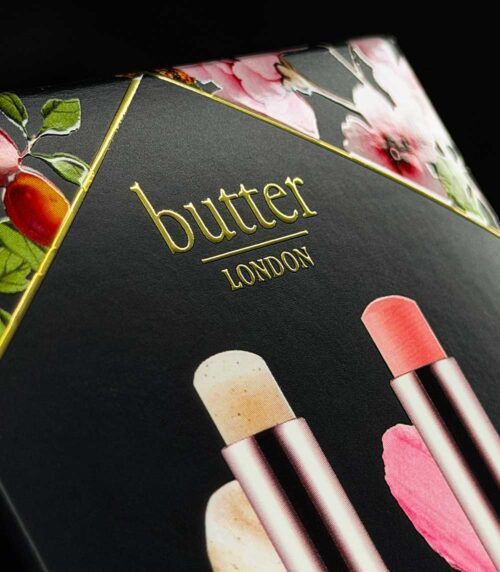
Foil stamping applies metallic, reflective, or specialty foil to selected areas of a carton to create visual contrast and premium detail.
Gold and silver are common, but foil can be used in a wider range of colors and effects.
Foil is particularly effective when used selectively. A relatively small metallic logo, border, or product name can become the focal point of an otherwise restrained carton.
Hot Foil vs. Cold Foil: What’s the Difference?
Hot foil stamping uses heat and pressure to transfer foil to the paperboard. It is frequently used for defined decorative elements such as logos, lettering, and accents.
Cold foil uses an adhesive-based process and can be integrated into printing workflows, making it useful for certain larger or more complex metallic graphic effects.
The best method depends on the artwork, substrate, production quantity, coverage, budget, and desired appearance.
When Should You Use Foil?
Foil is Useful When:
- Metallic elements are part of the brand identity
- The package needs a premium focal point
- Shelf differentiation is important
- The product occupies a premium price tier
- Giftability or exclusivity matters
Common applications: Cosmetics, skincare, confectionery, wellness, gifting, seasonal packaging, and limited editions.
What is Embossing on Packaging?
Embossing creates a raised design on paperboard, adding physical dimension that consumers can both see and feel.
Logos, typography, patterns, borders, and illustrations can all be embossed.
A blind emboss creates the raised effect without adding ink or foil, allowing the paperboard itself to become part of the design.
When Should You Use Embossing?
Embossing works well when you want to:
- Emphasize a logo
- Add tactile differentiation
- Create premium visual depth
- Enhance minimalist packaging
- Draw attention without adding another printed color
What is Debossing?
Debossing presses a design into the paperboard, creating a recessed rather than raised effect.
The result can be subtle, which makes debossing especially effective for brands pursuing a minimalist, natural, heritage, or premium aesthetic.
Embossing vs. Debossing
The difference is simple:
Embossing raises the design debossing recesses it.
Both techniques add tactile dimension and can be combined with printing or other embellishments.
Because these processes physically alter the paperboard, the board grade, depth, artwork, and location relative to folds and scores should be evaluated during structural and production planning.
Matte vs. Gloss Folding Cartons: Which Is Better?
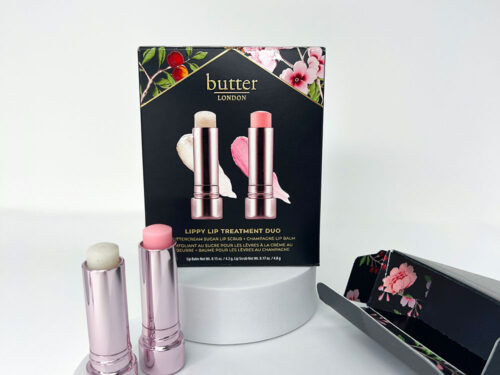
Matte finishes reduce reflectivity and create a more understated appearance, while gloss finishes reflect more light and can make colors appear brighter and more saturated. Neither is inherently better.
The right choice depends on the brand and packaging objective.
Brands can also combine matte and gloss effects.
A matte overall coating with spot gloss, for example, can create contrast and visual hierarchy without adding another color to the carton.
Can You Combine Multiple Folding Carton Finishes?
Yes. Multiple coatings and finishes can be combined on one folding carton to create contrast between color, reflectivity, texture, and dimension.
Popular combinations include:
Soft-Touch + Spot UV
A low-glare, velvety surface creates a strong contrast with selective high-gloss elements.
Best when: You want both tactile and visual differentiation.
Matte + Foil
The subdued background can make reflective metallic elements more noticeable.
Best when: You want a sophisticated premium effect.
Foil + Embossing
Reflectivity and physical dimension combine to create a strong focal point.
Best when: A logo or brand mark needs maximum emphasis.
Matte + Blind Embossing
The package gains dimension without introducing another color or metallic material.
Best when: The desired aesthetic is subtle, minimalist, or premium.
Gloss + Vibrant Graphics
Gloss can complement colorful printing, illustrations, and photography.
Best when: Shelf energy and graphic impact are the priority.
The goal should not be to use the most finishes. It should be to use the fewest finishes necessary to create the desired consumer experience.
Which Folding Carton Finish Is Best for Food Packaging?
The best coating for food packaging depends on the product, packaging construction, food-contact requirements, distribution conditions, and exposure to moisture, grease, refrigeration, or freezing.
For Food Brands Consider:
- Direct vs. indirect food contact
- Applicable food-contact requirements
- Grease and moisture exposure
- Refrigeration or freezing
- Odor and sensory considerations
- Scuff and abrasion resistance
- Filling and converting conditions
- Migration considerations
- Distribution environment
- End-of-life goals
A carton containing a separately sealed product can have different requirements from paperboard packaging that may come into direct contact with food.
For that reason, food packaging coatings should be evaluated for the specific application, not selected on appearance alone.
Example
A colorful snack carton moving through a high-volume retail supply chain might benefit more from an aqueous or durable gloss treatment that protects its graphics than from a tactile embellishment that provides little functional value.

What Folding Carton Finishes are Best for Cosmetic Packaging?
Cosmetic cartons commonly use matte and soft-touch coatings, spot UV, foil,
embossing, and debossing because these finishes can reinforce premium positioning and create visual or tactile differentiation.
Beauty packaging often has to communicate the experience of a product before the consumer can see, smell, or use what’s inside.
That makes surface design particularly important.
For Example:
- Soft-touch can reinforce a skincare product’s sensory positioning.
- Foil can establish a premium focal point.
- Embossing can add dimension to a minimalist logo.
- Spot UV can reveal patterns or details as the package moves under light.
- Matte finishes can support clean, minimalist branding.
Cosmetics brands should also consider how the carton will respond to oils, lotions, fragrances, moisture, fingerprints, repeated handling, retail lighting, and distribution.
A premium finish only delivers value if it maintains the intended appearance throughout the packaging lifecycle.
Are Folding Carton Coatings and Finishes Sustainable?
The sustainability of a folding carton finish depends on the entire package construction and intended end-of-life pathway, not simply whether one coating or embellishment is present.
Paperboard selection, fiber sourcing, coatings, inks, adhesives, embellishments, material weight, manufacturing efficiency, and recyclability can all affect the environmental profile of the finished carton.
When evaluating options, brands should ask:
- Is the finished carton compatible with the intended recycling stream?
- Can the desired visual effect be achieved using less material?
- Is a water-based coating appropriate for the application?
- Can embossing or debossing create differentiation without another decorative layer?
- Could a metallic-look printing treatment accomplish the objective instead of another embellishment?
- Does the added finish provide enough functional or branding value to justify the process?
- Can responsibly sourced or recycled-content paperboard be used?
Meyers works with options including water-based coatings, certified paperboard, recycled-content materials, and finishing strategies designed around both performance and sustainability objectives.
Sustainability should therefore be evaluated at the finished-package level, rather than judging a carton based on a single coating.

How Much Do Folding Carton Coatings and Finishes Cost?
The cost of folding carton finishes depends on production volume, coating coverage, paperboard, tooling, carton dimensions, number of SKUs, registration requirements, and production complexity.
There is no universal cost per finish.
In general, a standard overall coating such as aqueous is typically more economical than specialty processes involving foil, embossing, debossing, or multiple selective treatments.
Major cost factors include:
- Production quantity
- Carton size
- Coating coverage
- Paperboard selection
- Number of finishes
- Printing method
- Tooling requirements
- Registration complexity
- Number of SKUs
- Setup requirements
- Production speed
How Can Brands Control Finishing Costs?
Instead of eliminating premium finishes entirely, concentrate the investment where consumers are most likely to notice it.
For example, a small foil logo may provide the desired metallic effect without covering an entire panel. Spot UV can emphasize one hero graphic instead of coating every design element. Embossing a logo can provide tactile differentiation without manipulating large areas of the carton.
For multi-SKU packaging programs, standardizing materials and finishing specifications where practical can also reduce unnecessary complexity.
How to Choose the Right Folding Carton Coating or Finish
Use this five-question framework before specifying a coating or embellishment.
1. What Should the Shopper Notice First?
If it is the logo, product name, or a specific graphic, consider selective finishes such as spot UV, foil, or embossing.
2. How Should the Package Feel?
If touch is an important part of the brand experience, consider soft-touch, embossing, debossing, or tactile coatings.
3. What Does the Carton Need to Withstand?
Evaluate packing, warehousing, freight, fulfillment, retail handling, abrasion, moisture, temperature, and consumer use.
4. What Are the Sustainability Requirements?
Define recyclability, material sourcing, recycled-content, and other environmental requirements early in the design process.
5. Where Will Additional Packaging Investment Create the Most Value?
Use premium finishing where it meaningfully improves functionality, shelf differentiation, brand recognition, or the consumer experience.
Expert Commentary: Start With the Packaging Objective, Not the Finish
When selecting folding carton finishes, brands can easily begin with the wrong question:
“Should we use foil or spot UV?”
A better question is:
“What do we want the shopper to notice, feel, or understand differently because of the finish?”
From there, the appropriate production technique becomes much easier to determine.
If a logo needs to catch light, foil or spot UV might make sense. If tactile experience reinforces a skincare product’s positioning, soft-touch may contribute more value. If a natural product needs an understated presentation, a matte treatment or blind emboss could be more appropriate.
Finishing should also be evaluated as a system.
The coating interacts with the paperboard, inks, graphics, structure, lighting, product, filling process, distribution environment, and adjacent packages on the shelf.
That is why physical samples and production expertise matter.
Meyers Expert Tip: When possible, compare finishing options on the actual or a similar paperboard rather than evaluating them only on a screen. Reflectivity, texture, metallic effects, surface contrast, and dimensional details can look significantly different when viewed and handled in person.
Folding Carton Finish Selection Guide
If your primary goal is…
- General protection and cost efficiency: Start with aqueous coating.
- High shine and vibrant graphics: Consider gloss or UV coating.
- Premium tactile experience: Consider soft-touch.
- Selective glossy contrast: Consider spot UV.
- Metallic visual impact: Consider foil.
- Raised tactile details: Consider embossing.
- Subtle recessed details: Consider debossing.
- Understated, low-glare appearance: Consider matte.
- Bright, reflective appearance: Consider gloss.
For more complex designs, combining two complementary finishes may create more impact than applying one treatment extensively across the carton.

Work With a Folding Carton Partner That Understands Print and Finishing
The right folding carton finish does more than make packaging attractive.
It can protect printed graphics, establish visual hierarchy, reinforce brand positioning, create a tactile experience, and help a product differentiate itself in a crowded retail environment.
But effective finishing starts with the product, not the embellishment.
Meyers works with CPG brands across food, beverage, health, beauty, personal care, and wellness to develop folding carton packaging that brings together paperboard, structural design, printing, coatings, and finishing in a production-ready solution.
Our capabilities include specialty coatings, foil effects, tactile treatments, precision die cutting, folding and gluing, offset printing, digital printing, and other finishing options that allow brands to balance visual impact, performance, sustainability, and cost.
Planning a new folding carton or evaluating finishing options for an existing package?
Talk with a Meyers packaging expert to compare coatings, materials, print methods, and finishes for your application.
Related Blogs:
- Smart Packaging ROI: Real Benefits, Hidden Costs, and How to Capture Maximum Value
- How to Choose the Right RFID Supplier for Your Brand
- Sunrise 2027: What CPG Brands Need To Do Now To Prepare for the Shift to 2D Barcodes
- How Does Packaging Drive Brands’ Omnichannel Retail Strategy?
Frequently Asked Questions About Folding Carton Coatings and Finishes
Common folding carton coatings include aqueous, UV, soft-touch, matte, gloss, and selective or spot coatings. Specialty finishing options can also include foil stamping, embossing, and debossing.
There is no single best folding carton coating. Aqueous is a versatile choice for general protection, UV can provide high visual impact and durability, and soft-touch creates a premium tactile surface. The best choice depends on the product, substrate, appearance, performance requirements, budget, and sustainability goals.
Aqueous coating is water-based, while UV coating is cured using ultraviolet light. Aqueous is widely used for general surface protection and different sheen levels. UV coating can provide a durable surface and particularly high-gloss effects.
No. UV coating can cover a larger or entire printed surface, while spot UV is selectively applied to specific design elements. Spot UV is often used to create contrast with matte or uncoated-looking areas.
Embossing raises a design above the paperboard surface, while debossing presses the design into the surface.Both create tactile and dimensional effects.
Neither is universally better. Matte creates a subdued, low-reflective appearance, while gloss provides greater shine and can make colors appear more vibrant. The right option depends on the brand, graphics, retail environment, and desired consumer experience.
Soft-touch, foil, embossing, debossing, spot UV, and combinations of matte and gloss can all create premium effects. The most effective premium packaging typically uses finishing selectively to emphasize important design elements rather than embellishing every surface.
Cosmetic cartons commonly use soft-touch, matte coatings, foil, spot UV, embossing, and debossing to create tactile differentiation and premium visual effects.
There is no universal best coating for food cartons. The appropriate option depends on direct or indirect food contact, grease and moisture exposure, refrigeration, freezing, distribution conditions, and applicable regulatory requirements.
Yes. Coatings, inks, adhesives, embellishments, and other components can affect the finished package’s end-of-life characteristics. Recyclability should be evaluated for the complete carton construction and the recycling system where the package is expected to be discarded.
Yes. Folding cartons can combine finishes such as foil and embossing, matte and spot UV, or soft-touch and gloss accents. Combining complementary treatments can create greater contrast, but each additional finish should serve a clear design or functional purpose.
Start with the desired outcome. Choose aqueous for versatile general protection, UV for shine and visual impact, soft-touch for tactile experience, spot UV for selective glossy contrast, and foil for metallic emphasis. Then evaluate the choice against substrate, product requirements, production volume, sustainability goals, and budget.