
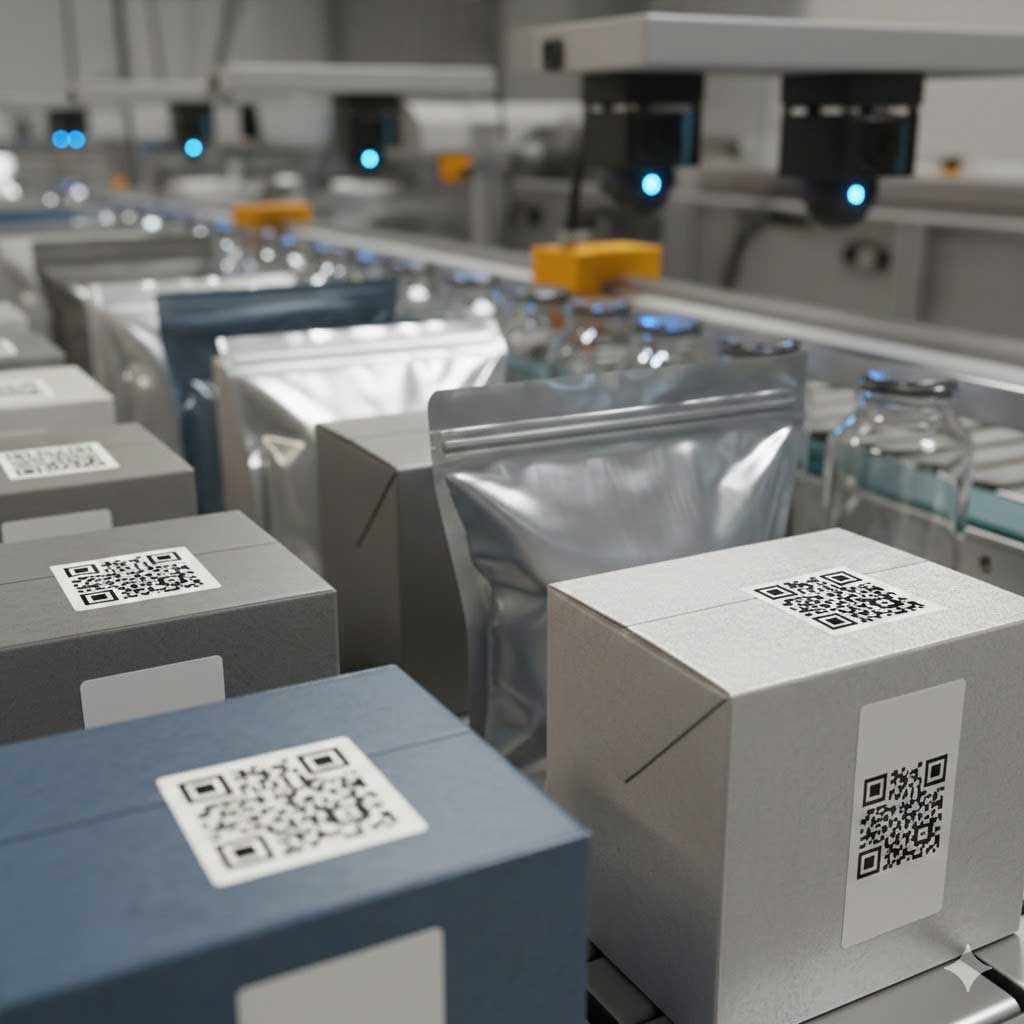
Sunrise 2027: What CPG Brands Need To Do Now To Prepare for the Shift to 2D Barcodes

Sunrise 2027 is a GS1 industry initiative that replaces traditional 1D barcodes with more powerful 2D barcodes by the end of 2027. For CPG brands, this shift affects packaging, product data, traceability, recalls, retail compliance, and consumer experience. Brands that prepare now will simplify supply chain operations, strengthen retailer relationships, and unlock new ways to use packaging as a digital touchpoint.
Brands can prepare faster by partnering with packaging teams that understand code performance across substrates, from folding cartons to pressure sensitive labels and RFID packaging.
Below is a simple, actionable guide designed to help CPG teams understand what Sunrise 2027 means, what steps they should take, and how packaging strategy will evolve as 2D codes become standard.
What is Sunrise 2027, and Why Does it Matter?
Sunrise 2027 is the industry-wide move to adopt 2D barcodes as the new standard for retail product identification. These codes can carry far more information than legacy UPCs, which means a single printed symbol can serve checkout, traceability, authentication, recalls, sustainability communication, and consumer engagement. GS1 describes this as part of its global “2D in retail” transition.
This shift creates value across the entire product lifecycle.
Retailers gain data-rich scanning that supports accuracy and faster checkout, guided by resources such as GS1’s 2D barcodes at retail point-of-sale implementation guidelines.
Consumers get immediate access to product details, safety information, and brand stories.
Brands improve supply chain visibility, reduce errors, simplify recall management, and create new digital experiences without needing more packaging space, as outlined in industry overviews like Videojet’s Sunrise 2027 explainer.
For CPG organizations managing hundreds or thousands of SKUs, Sunrise 2027 is more than a technical change. It is a strategic opportunity that touches IT, marketing, packaging, quality, and operations.
Checklist for CPG Teams Preparing for Sunrise 2027
To make Sunrise 2027 clear and actionable, here is a concise checklist CPG teams can follow as they prepare.
- Audit product data: Ensure GTINs, lot codes, expiration dates, and key attributes are accurate, centrally managed, and aligned with GS1 identification standards. Clean data is essential because errors will be encoded into every printed symbol.
- Define use cases for each 2D code: Determine how each code will be used across retail POS, supply chain, traceability, recalls, and consumer engagement. GS1’s Sunrise 2027 resources and solution provider content, like Cognex Sunrise 2027 preparation guidance, can help clarify what data should be included.
- Coordinate early with retailers: Align on expectations, testing programs, print quality checks, and adoption timelines. Retail and convenience channels are actively preparing for this change, as highlighted by NACS coverage of Sunrise 2027 readiness.
- Upgrade packaging to support high-performance 2D codes: Work with packaging partners to engineer codes that scan reliably on the exact substrates used in production. Size, contrast, quiet zones, and print resolution matter. GS1’s guidance on creating and printing 2D barcodes can help teams evaluate print quality controls and verification practices.
- Activate GS1 Digital Link to unlock value: Connect each 2D code to dynamic content using GS1 Digital Link. A single QR code can serve multiple roles, including traceability reporting, ingredient information, sustainability content, promotions, and educational resources. Practical examples can be found in guides like this GS1 Digital Link implementation overview.
When brands approach Sunrise 2027 with intention, each code becomes more than a compliance need. It becomes a way to improve operational efficiency, increase consumer trust, and future-proof packaging for an increasingly digital retail environment.

How Sunrise 2027 Impacts CPG Operations
Sunrise 2027 influences how product data, packaging workflows, and supply chain systems connect. Key impacts include:
Data Readiness
Master data must be complete, structured, and trustworthy. Inaccurate data undermines every downstream use case, including POS scanning, traceability, and consumer communication. GS1 and national members, such as GS1 Canada’s 2D transition FAQ, consistently stress the importance of accurate GTIN and attribute management.
Supply Chain Visibility
2D barcodes offer granular tracking of lots, dates, and locations. This supports faster recalls, reduces manual errors, and strengthens compliance with regulatory expectations, which is why solution providers like Rocket Industrial emphasize Sunrise 2027 readiness.
Retailer Alignment
2D barcodes offer granular tracking of lots, dates, and locations. This supports faster recalls, reduces manual errors, and strengthens compliance with regulatory expectations, which is why solution providers like Rocket Industrial emphasize Sunrise 2027 readiness.
Most importantly, Sunrise 2027 is not only an IT project. Marketing, packaging, operations, and retail teams must work together so the encoded data, printed code, and digital experience all align.
What Sunrise 2027 Means for Packaging, Design, and Consumer Experience
Packaging will play a central role in making Sunrise 2027 work because the printed 2D code must be both beautiful and functional. Design, marketing, and packaging engineering teams should focus on:
Placement and Size
Codes must be large enough to scan consistently while fitting naturally into the packaging layout. The most effective designs treat the 2D code as a purposeful visual element, informed by guidance in resources like GS1’s retail point-of-sale implementation guideline
Print Quality
Contrast, quiet zones, and substrate compatibility are critical. Different materials influence how codes scan in retail environments, and partnering with an experienced printer ensures consistent results. Industry articles, such as CYBRA’s Sunrise 2027 overview, highlight the importance of print quality and verification for 2D barcodes.
Unified Strategy
Because a single QR code can support retail, compliance, and consumer engagement, teams should align on a master strategy for how codes will be used across channels and product lines.
When brands connect GS1 Digital Link to relevant content, they turn the code into a gateway for loyalty building. Examples include:
- Sustainability stories tied to sourcing or material choices
- Safety and regulatory disclosures
- Usage guides and tutorials
- Brand storytelling and promotional content
Brands already adopting 2D codes report higher engagement when consumers receive clear, helpful information with minimal friction.
Why CPG Brands Should Act Now
Although the formal shift completes at the end of 2027, preparation takes time. Brands that move early gain several advantages.
Reduced Risk of Packaging Rework
Early coordination with printers, material providers, and packaging engineers prevents last-minute redesigns and emergency print changes, a theme repeated across multiple Sunrise 2027 primers from GS1 and technology partners.
More Accurate Data and Fewer Recalls
Clean data reduces supply chain errors and supports precise traceability during audits or incident response. This is one of the core benefits highlighted in Markem-Imaje’s discussion of GS1 Sunrise 2027.
Stronger Retailer Partnerships
Retailers value suppliers that participate in testing, offer high-quality codes, and demonstrate operational readiness. Industry groups like Conexxus emphasize shared responsibility between retailers and manufacturers.
Expanded Consumer Engagement
Integrating GS1 Digital Link now allows brands to control the digital experience long before competitors do, supporting product differentiation and category leadership.
Practical Steps for CPG Teams to Take This Year
To build momentum, CPG organizations can start with three practical steps.
This creates
Step 1: Clean and Standardize Product Data
Evaluate how product attributes are stored, who owns the data, and how it flows across systems. Accurate data ensures a clean foundation for Sunrise 2027 and aligns with GS1 recommendations for product identification.
Step 2: Update Artwork and Packaging Workflows
Build 2D code placement, size, and print quality checks into artwork creation and approval processes. This reduces the friction of redesigns later and ensures packaging stays on schedule as retailer expectations change.
Step 3: Pilot 2D Codes With a Packaging Partner
Select a small set of SKUs, test symbol performance across materials, and validate retailer scanning. Early pilots uncover issues long before full-scale rollout and provide internal proof points that support broader adoption.

Sunrise 2027 Will Transform Packaging and Retail
Sunrise 2027 is one of the most significant changes to packaging and retail data communication in decades. It reshapes how CPG brands handle identification, traceability, compliance, and consumer engagement.
Brands that prepare early, align cross-functional teams, and work with experienced packaging partners will be ready to meet retailer expectations and unlock new forms of value from every printed code. The path to Sunrise 2027 is not only about compliance. It is a chance to position packaging as a powerful digital connection point for the next era of retail.

Why a Trusted Packaging Partner Matters
As a packaging manufacturer with deep expertise in high-performance printing for labels and folding cartons, Meyers is uniquely positioned to support a smooth transition to 2D codes.
Meyers delivers:
- One trusted partner for cartons, labels, and RFID packaging
- Sustainable, circular-friendly options that support your ESG targets
- Consistent, high-quality printing across all formats
- Production that supports landfill-free and responsible packaging claims
- Right-sized expertise with the care and attention of a family business
- Supporting large SKU portfolios across both primary and secondary packaging
- Testing symbol performance to align with GS1 barcode quality expectations
With our experience, technical capabilities, and sustainability focus, we help brands adopt PCR packaging in a way that supports performance, design, and environmental commitments without adding stress or complexity to internal operations.

Key Takeaways
- Sunrise 2027 is a defined GS1 initiative with clear guidance from GS1 US for brands and retailers.
- 2D barcodes and GS1 Digital Link are well established in GS1 global standards, with detailed implementation resources.
- Solution providers validate the shift’s impact on coding, printing, and verification across packaging lines.
- Industry groups stress early preparation and collaboration between retailers, manufacturers, and GS1 member organizations.
Related Blogs:
- Smart Packaging ROI: Real Benefits, Hidden Costs, and How to Capture Maximum Value
- How Can Cosmetics Brands Prepare for Walmart’s Upcoming RFID Mandate?
- 9 Benefits of On-Pack Coupons That Drive Retail Sales
- How Does Packaging Drive Brands’ Omnichannel Retail Strategy?
FAQs
Sunrise 2027 is a GS1 initiative that transitions retail product identification from traditional 1D barcodes to more advanced 2D barcodes by the end of 2027. The goal is to improve checkout accuracy, traceability, recalls, data sharing, and consumer access to product information.
Preparation takes time because brands must clean product data, update artwork, validate print quality, align with retailers, and pilot new codes on packaging. Early action reduces rework, prevents supply chain interruptions, and ensures codes meet GS1 and retailer requirements.
Beyond meeting retailer expectations, 2D barcodes enable real-time traceability, better recall management, reduced operational errors, and consumer engagement through GS1 Digital Link. A single code can provide regulatory information, sustainability stories, usage instructions, and post-purchase content.
Packaging teams must adjust placement, size, print quality, contrast, and quiet zones to ensure reliable scanning on different substrates. Artwork workflows must be updated, and packaging partners must be able to print, verify, and test 2D codes across all SKUs.
Meyers supports brands by engineering high-performance 2D codes, verifying print quality, managing color and substrate variables, integrating GS1 Digital Link, and helping teams pilot and scale 2D barcode programs across labels and folding cartons.
Yes. Many retailers have set clear expectations for sustainable packaging, including increased use of recycled content. PCR helps brands meet these expectations and stay aligned with emerging industry standards.
PCR helps reduce landfill waste, lowers greenhouse gas emissions, increases recycled content metrics, and strengthens ESG reporting. It is one of the most practical and measurable steps brands can take to advance their sustainability programs.
Last Updated on February 4, 2026