RESOURCE VIDEOS
Packaging Insights From the Experts
Explore expert insights on sustainable packaging, materials, folding cartons, pressure-sensitive labels, RFID, and more. The Meyers video library features conversations with Meyers’ packaging experts, real-world packaging applications, and practical guidance to help CPG and retail brands navigate today’s packaging challenges with confidence.
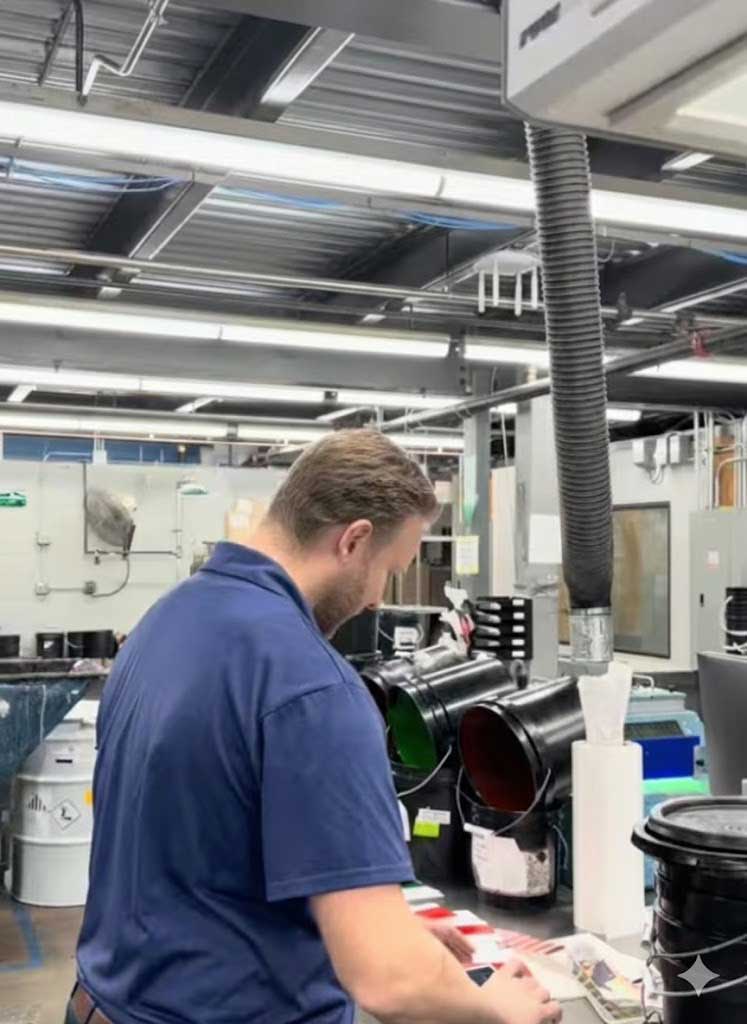
What is Delta E?
Delta E is a measurement used to quantify color difference, showing how much one printed color varies from another using objective data instead of visual judgment.
What paperboard thickness is best for cosmetic boxes?
For most cosmetic packaging, 18-point paperboard is the ideal choice. It offers the right balance of strength, cost efficiency, and premium feel.
What is the environmental impact of sourcing paperboard from managed forests?
Responsibly managed, FSC-certified paperboard supports biodiversity, reduces chemical use, and more!
What is Sunrise 2027?
Sunrise 2027 is a GS1-led global industry shift where retailers plan to be ready to scan 2D barcodes by the end of 2027.
How do embellishments affect your packaging cost?
Premium finishes add extra materials and production steps, so they can raise the price. But when your packaging stands out on a crowded shelf, that impact is worth it.
What are regulatory trends impacting packaging?
EPR is one of the biggest because it shifts the cost and responsibility for packaging waste back to the brands.
How do folding carton prototypes work?
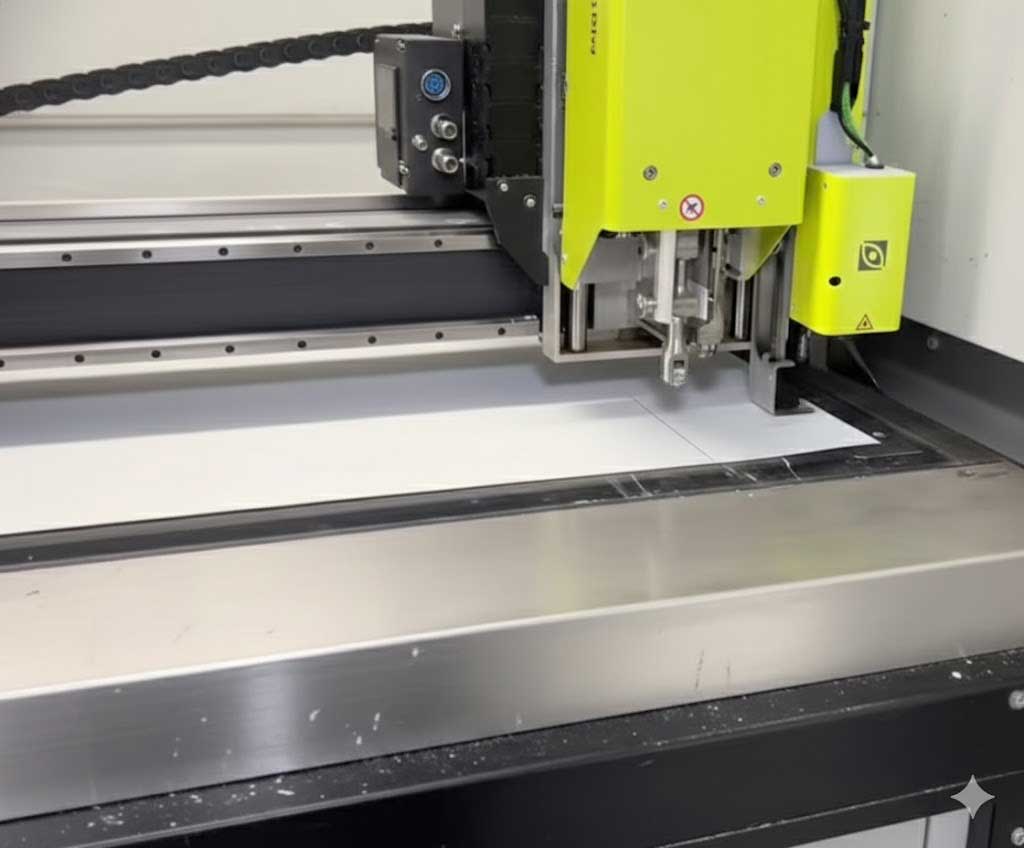
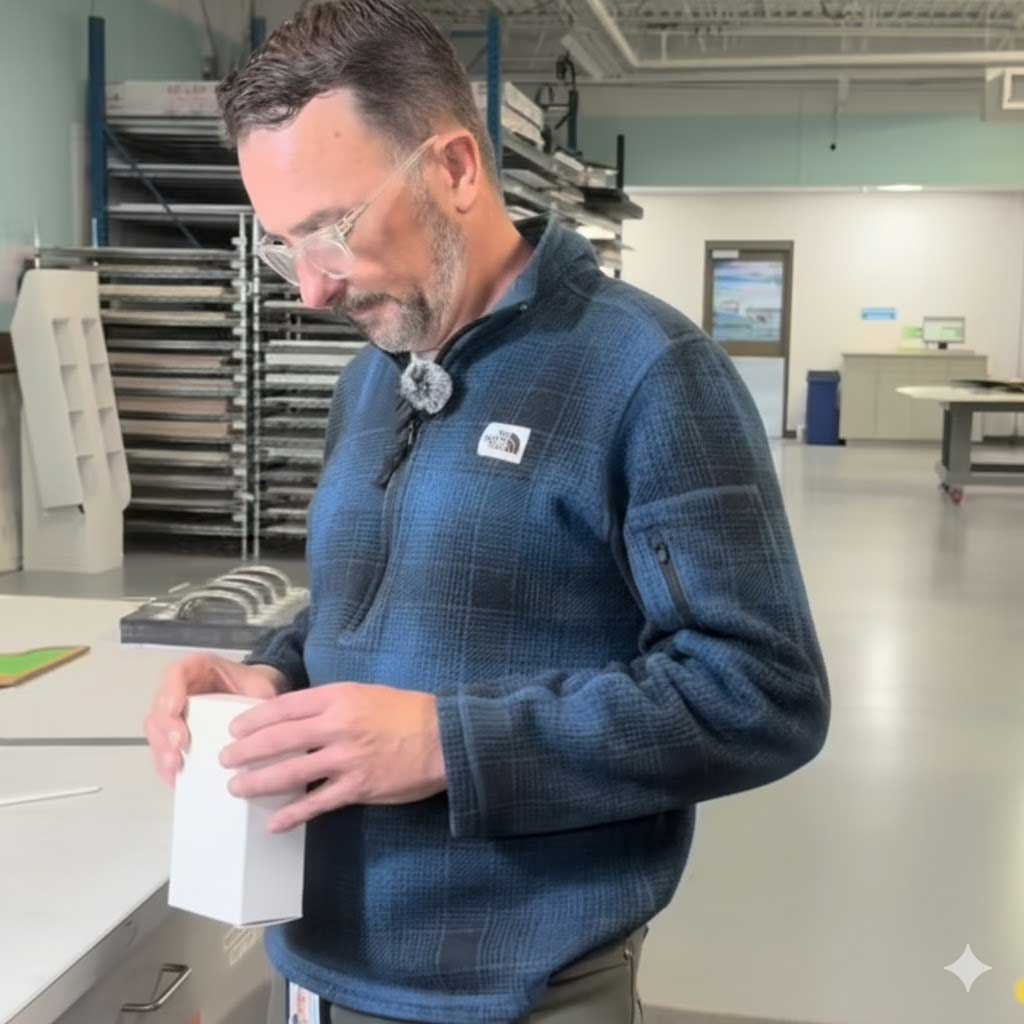
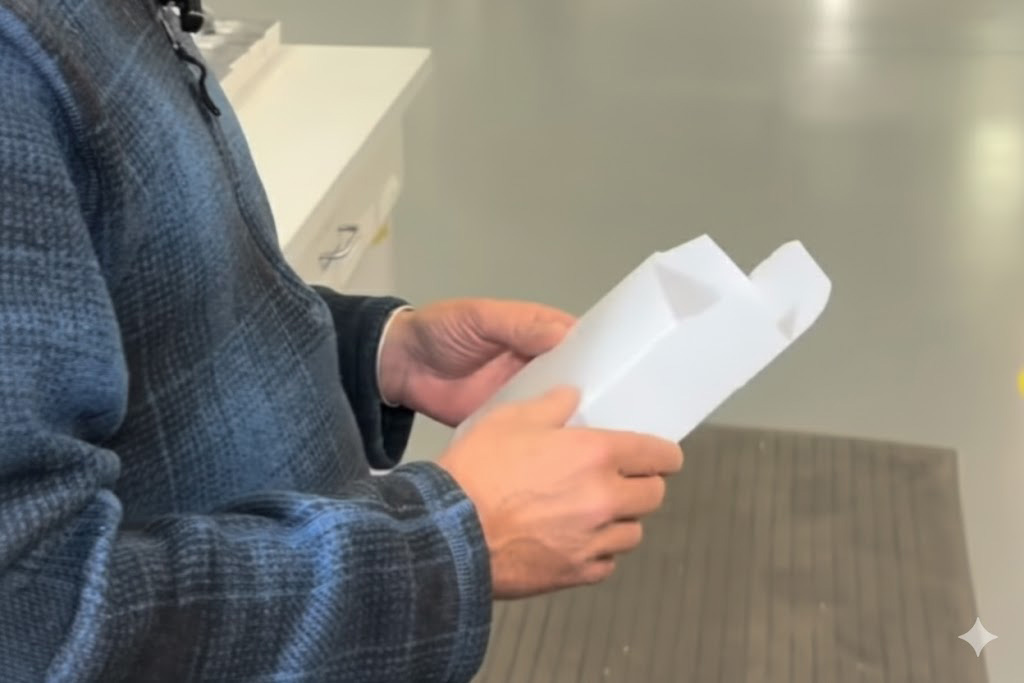
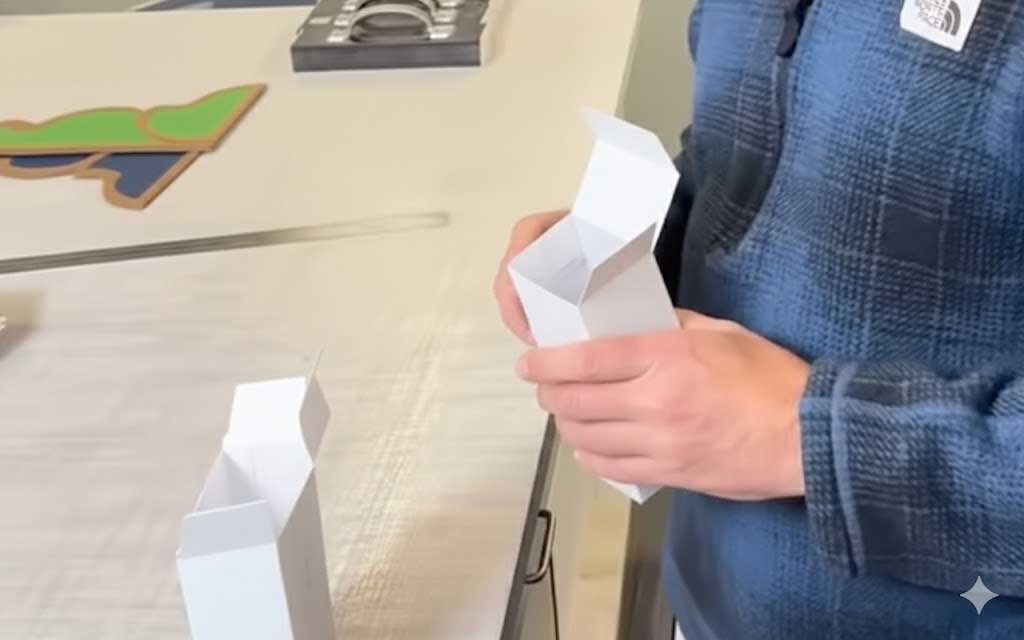
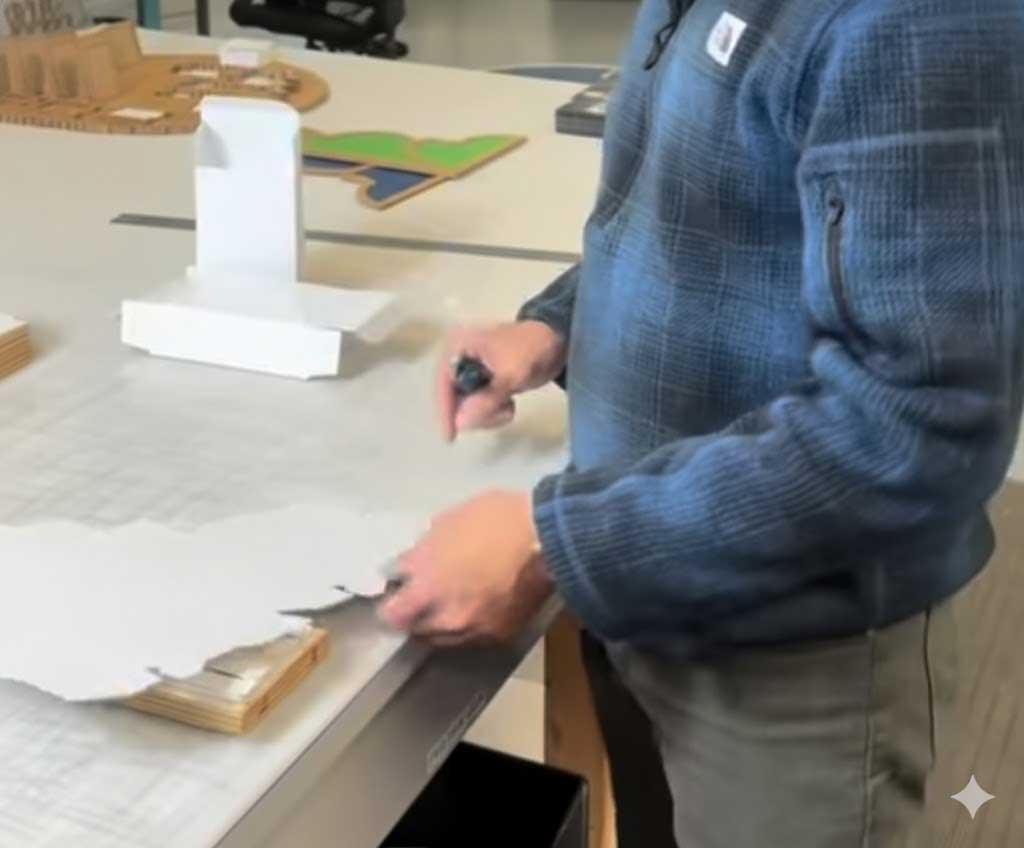
Cutting an autobottom white sample folding carton with our structural designer, Mike. This creates a prototype that looks, feels, and functions like diecut cartons.
How do you estimate and prioritize price breaks for high-volume CPG runs?
It comes down to understanding fixed costs like dies and make-readies and how they impact unit pricing.
What makes Meyers unique in the packaging industry?
We’re a third-generation, family-owned packaging manufacturer, which means we move quickly, make decisions efficiently, and stay closely connected to our customers.
How can brands communicate sustainability in a credible way?
Putting clear, specific sustainability info right on the package is one of the most powerful ways to reach shoppers in the moment.
What does G7 Certified Mean?
G7 certification is a color management standard that ensures consistent, accurate color reproduction across print runs, presses, and production facilities by calibrating CMYK curves to produce neutral gray balance.
What’s the difference between a tuck-end carton and an auto bottom folding carton?
Both have their place. The best choice usually comes down to the equipment and packing process you use.
Meyers Simplifies Your Packaging
A personal care CPG brand came to Meyers frustrated by a large vendor with slow response times and unclear lead times.
What is a Straight Tuck Folding Carton?
Straight tuck cartons have both top and bottom flaps that tuck in on the same side for a seamless, secure closure and premium look.
Benefits of Using PCR Content in Your Packaging
Packaging made with post-consumer recycled content proves that recycling works!
Comparison of 16 pt and 28 pt Folding Carton Material
The real goal is matching strength, sustainability, and efficiency so your packaging protects the product, looks great on the shelf, and avoids unnecessary material use.
What is a Press Check?
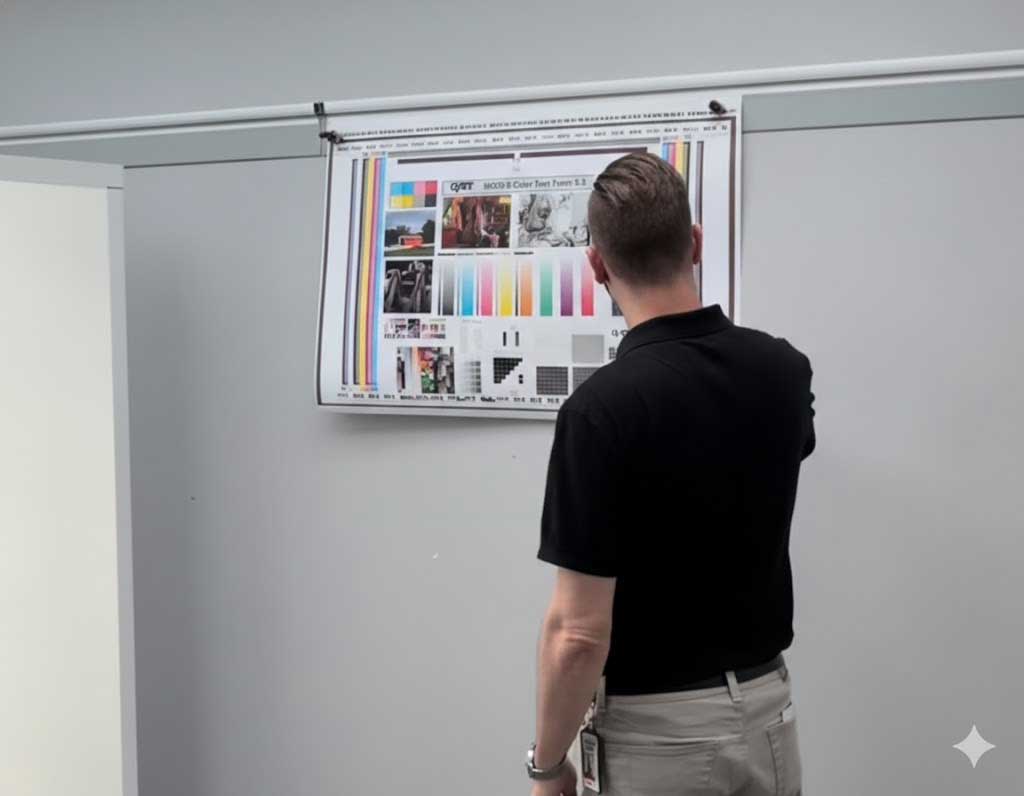
A press check is a quality control process. It’s your chance to approve packaging color on press in a controlled, light-fast setting before the full run.
How is an auto bottom carton made?
Our structural designer walks through the printing process of an Auto-Bottom folding carton.
Meyers, the packaging partner brands trust!
Because Meyers is family owned, brands get the care and attention they deserve. Meyers as a packaging supplier, is able to move fast and deliver at scale!
How do post consumer recycled (PCR) fibers affect folding carton durability and appearance?
With improved technology, paperboard cartons with PCR content can be just as strong and just as shelf-ready as virgin fiber!
How do different lighting conditions affect how we perceive color?
Different lighting conditions change how colors appear because each light source emits a unique mix of wavelengths across the visible spectrum, not true white light.
Last Updated on February 24, 2026