
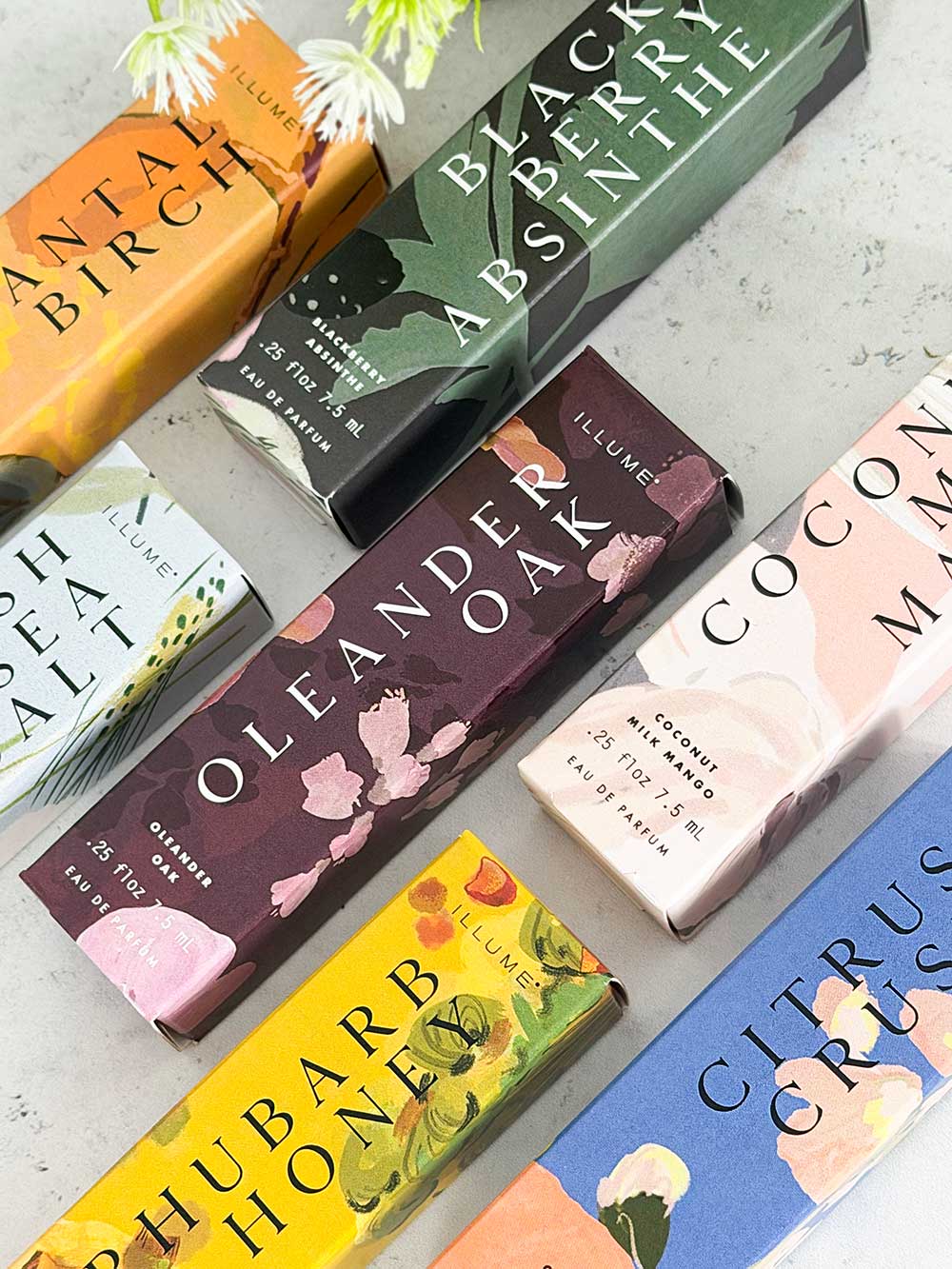
How to Choose the Right Paperboard Grade for Folding Cartons

Why Choosing the Right Paperboard for Folding Cartons Matters
Choosing the right paperboard grade for folding cartons can impact far more than package appearance. The material you select affects print quality, product protection, sustainability performance, production efficiency, and overall packaging costs.
For brands evaluating folding carton packaging, understanding paperboard grades helps ensure the final package performs as expected from manufacturing through the retail shelf.
Whether you’re launching a new product, redesigning existing packaging, or exploring more sustainable options, selecting the right paperboard grade is one of the most important packaging decisions you’ll make.
What is Paperboard?
Paperboard is a thick paper-based material commonly used for folding cartons across industries such as food, beverage, health and beauty, pharmaceuticals, household products, and consumer packaged goods.
Unlike corrugated packaging, folding cartons are typically produced from a single sheet of paperboard that is printed, die-cut, folded, and glued into its final form.
Paperboard grades vary based on:
- Fiber composition
- Surface characteristics
- Strength requirements
- Sustainability attributes
- End-use applications
Each grade offers different advantages depending on your product, supply chain requirements, and brand goals.
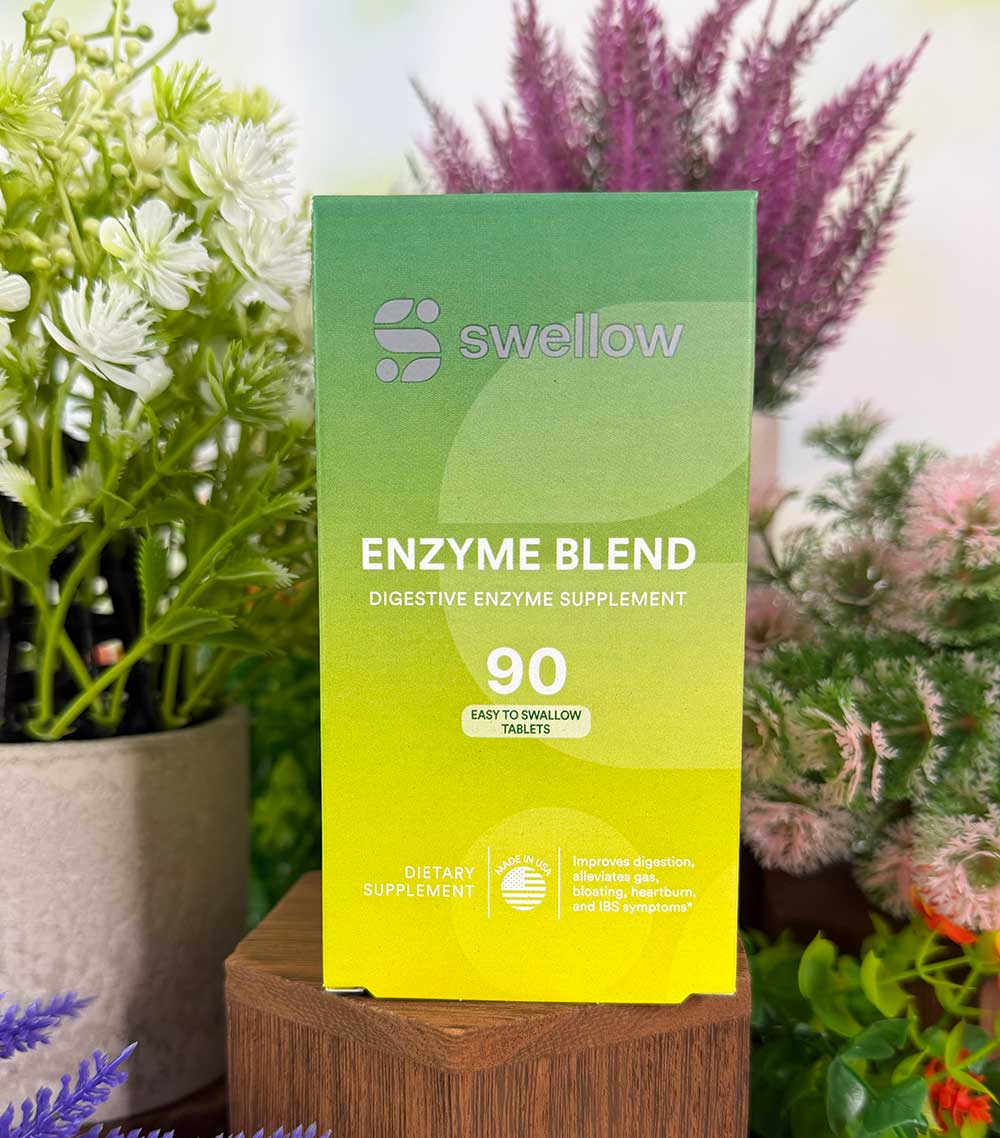
Why Paperboard Grade Matters
The right paperboard grade helps ensure your packaging delivers on both performance and presentation.
Choosing the wrong grade can lead to:
- Crushed cartons during distribution
- Inconsistent print quality
- Excess material costs
- Sustainability challenges
- Production inefficiencies
The right grade helps brands achieve:
- Strong shelf presence
- Reliable product protection
- Consistent print performance
- Efficient manufacturing
- Sustainability goals without unnecessary cost
For many brands, the ideal solution balances performance, appearance, and budget.
Common Paperboard Grades Used for Folding Cartons
Solid Bleached Sulfate (SBS)
SBS is a premium paperboard made from primarily from virgin fibers and features a bright white surface on both sides.
Brands often choose SBS when packaging requires:
- High-end graphics
- Premium shelf appearance
- Excellent print reproduction
- Specialty coatings and finishes
Common applications include:
- Cosmetics packaging
- Nutraceuticals
- Health and beauty products
- Premium food packaging
Coated Unbleached Kraft (CUK)
CUK combines strong virgin kraft fibers with a coated printing surface.
Advantages include:
- Excellent strength-to-weight ratio
- Superior tear resistance
- Good moisture resistance
- Reduced board weight without sacrificing performance
Common applications include:
- Beverage carriers
- Frozen food packaging
- Multipacks
- Heavy consumer products
Coated Recycled Board (CRB)
CRB contains a significant percentage of recycled fiber and offers a strong balance between sustainability, performance, and cost efficiency.
Advantages include:
- High recycled content
- Good print performance
- Cost-effective material options
- Support for sustainability initiatives
Common applications include:
- Consumer packaged goods
- Household products
- Dry food packaging
- Retail cartons
CRB is often a strong choice for brands looking to reduce environmental impact while maintaining reliable package performance.
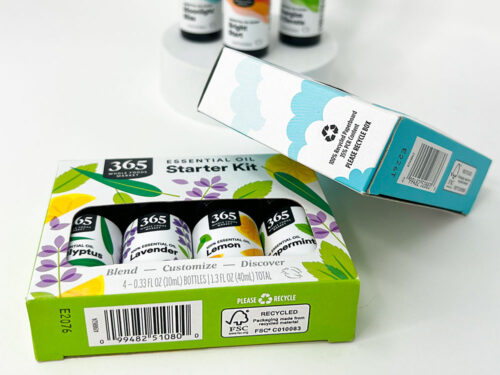
Uncoated Recycled Board (URB)
URB is another recycled paperboard option that can support sustainability-focused packaging programs.
Brands may consider URB when:
- Recycled content is a priority
- A natural paperboard appearance aligns with brand positioning
- Premium coated surfaces are not required
Benefits include:
- Recycled fiber content
- Reduced material processing
- A more natural, authentic appearance
URB can be particularly appealing for brands that want their packaging aesthetics to reinforce sustainability messaging.
FSC and SFI-Certified Paperboard
In many cases, the most important material decision isn’t the board grade itself, but how the fiber is sourced.
Meyers offers paperboard options certified through:
- FSC® (Forest Stewardship Council®)
- SFI® (Sustainable Forestry Initiative)
These certifications help verify that fiber comes from responsibly managed forests and supply chains.
For brands pursuing ESG goals, retailer requirements, or sustainable packaging commitments, certified paperboard can support:
- Responsible sourcing initiatives
- Sustainability reporting efforts
- Consumer trust
- Corporate environmental objectives
Many brands today evaluate paperboard not only on performance and cost, but also on the sustainability standards behind the material.
Factors to Consider When Choosing a Paperboard Grade
Product Weight and Protection Requirements
The first question is simple.
What does the package need to protect?
Heavier products often require stronger board grades and higher calipers to withstand distribution and handling.
Lighter products may perform well with thinner, more cost-effective materials.
consider:
- Product weight
- Distribution environment
- Stacking requirements
- Retail handling conditions
A stronger board than necessary may increase costs, while an under-engineered board can lead to damage and waste.
Print Quality Expectations
For many brands, packaging is one of the most visible marketing tools.
If shelf impact is a priority, the paperboard surface matters.
Premium graphics often benefit from grades that offer:
- Smooth printing surfaces
- Bright white appearance
- Consistent ink holdout
- Compatibility with specialty finishes
This is especially important for Brand teams focused on creating memorable shelf experiences.
Sustainability Goals
Many organizations are working toward ambitious ESG and packaging sustainability targets.
When evaluating paperboard grades, consider:
- Recycled content
- Fiber sourcing certifications
- Recyclability
- Manufacturing footprint
The most sustainable option is not always the lightest or the highest recycled content board. The right choice balances environmental impact with product protection and operational performance.
Sustainability works best when it supports both environmental goals and business goals.
Sustainable Packaging and ESG Goals
Many brands are evaluating packaging materials through the lens of sustainability and circularity.
Paperboard offers several advantages:
- Widely recyclable material streams
- Renewable fiber sources
- Lightweight transportation benefits
- Opportunities to reduce packaging waste
When paired with responsible sourcing and efficient manufacturing practices, folding cartons can support broader ESG initiatives while maintaining strong package performance.
Many organizations are looking for packaging materials that support sustainability goals without creating additional cost or supply chain complexity.

How Packaging Suppliers Help Select the Right Grade
Choosing a paperboard grade isn’t just a material decision.
It’s a packaging strategy decision.
A knowledgeable packaging partner can help evaluate:
- Product requirements
- Sustainability objectives
- Supply chain demands
- Print requirements
- Cost targets
This helps prevent costly redesigns, production delays, and packaging failures later in the process.
The best outcomes happen when material selection is considered early in package development.
Folding Carton Material Selection Best Practices
When evaluating paperboard grades, start with these questions:
- What level of product protection is required?
- How important is premium print quality?
- What sustainability goals must the package support?
- What are the transportation and distribution conditions?
- Are there opportunities to reduce material usage without sacrificing performance?
- How will the package function on the shelf?
Answering these questions early helps narrow material options and create a more efficient packaging development process.
Why a Trusted Packaging Partner Matters
The right paperboard grade is only part of the equation.
Successful folding carton programs also depend on consistent printing, structural expertise, reliable production, and clear communication.
Meyers helps brands simplify packaging decisions by combining folding carton expertise, sustainable manufacturing practices, and responsive customer support.
Meyers Printing supports your team with:
- One partner for folding cartons, labels, and RFID-enabled packaging
- Guidance on paperboard selection based on product and performance requirements
- Consistent color matching across packaging formats
- Sustainable material options that align with ESG goals
- Fast timelines and responsive communication
- Scalable production backed by family-business care
You get the expertise of a large manufacturer with the attention and partnership of a team that’s invested in your success.
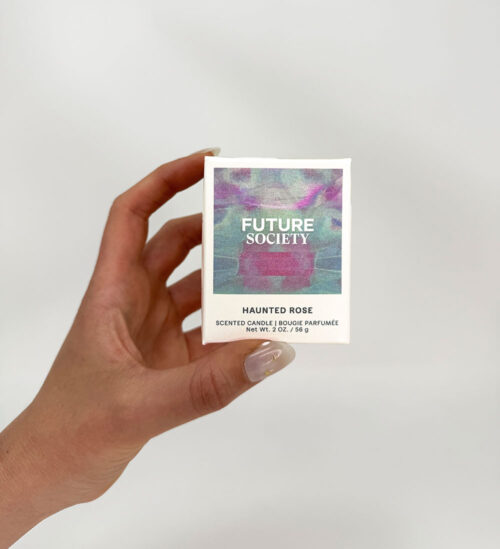
Key Takeaways
- Paperboard grade selection directly impacts package performance, appearance, sustainability, and cost.
- Common folding carton grades include SBS, CUK, CCNB, and FBB, each offering unique advantages.
- The best material choice depends on product protection requirements, print quality expectations, sustainability goals, and supply chain demands.
- Early collaboration with packaging experts helps prevent costly redesigns and production challenges.
- Selecting the right paperboard grade supports stronger shelf presence, operational efficiency, and long-term packaging success.
Related Blogs:
- How PCR Packaging Supports Your Goals and Your Customers’ Expectations
- 16 pt vs 28 pt Cartons: How to Choose the Right Thickness for Your Carton Packaging
- How Folding Carton Embellishments Improve Packaging Design
- Top Carton Packaging Design Trends for 2026: Smart, Sustainable, and Consumer-Driven
FAQs About Paperboard Grades for Folding Cartons
There is no single best grade. The right paperboard depends on your product, print requirements, sustainability goals, and budget.
SBS is commonly used for premium packaging applications such as cosmetics, pharmaceuticals, and health and beauty products because of its bright white surface and excellent print quality.
The most sustainable option varies by application. Factors such as recycled content, recyclability, fiber sourcing, and material efficiency all play a role.
Paperboard thickness should be based on product weight, handling conditions, stacking requirements, and distribution needs.
Yes. Many folding carton grades incorporate recycled fibers while maintaining strong performance and print quality.
Absolutely. Surface smoothness, brightness, and coating characteristics all influence color reproduction, image quality, and finishing performance.