
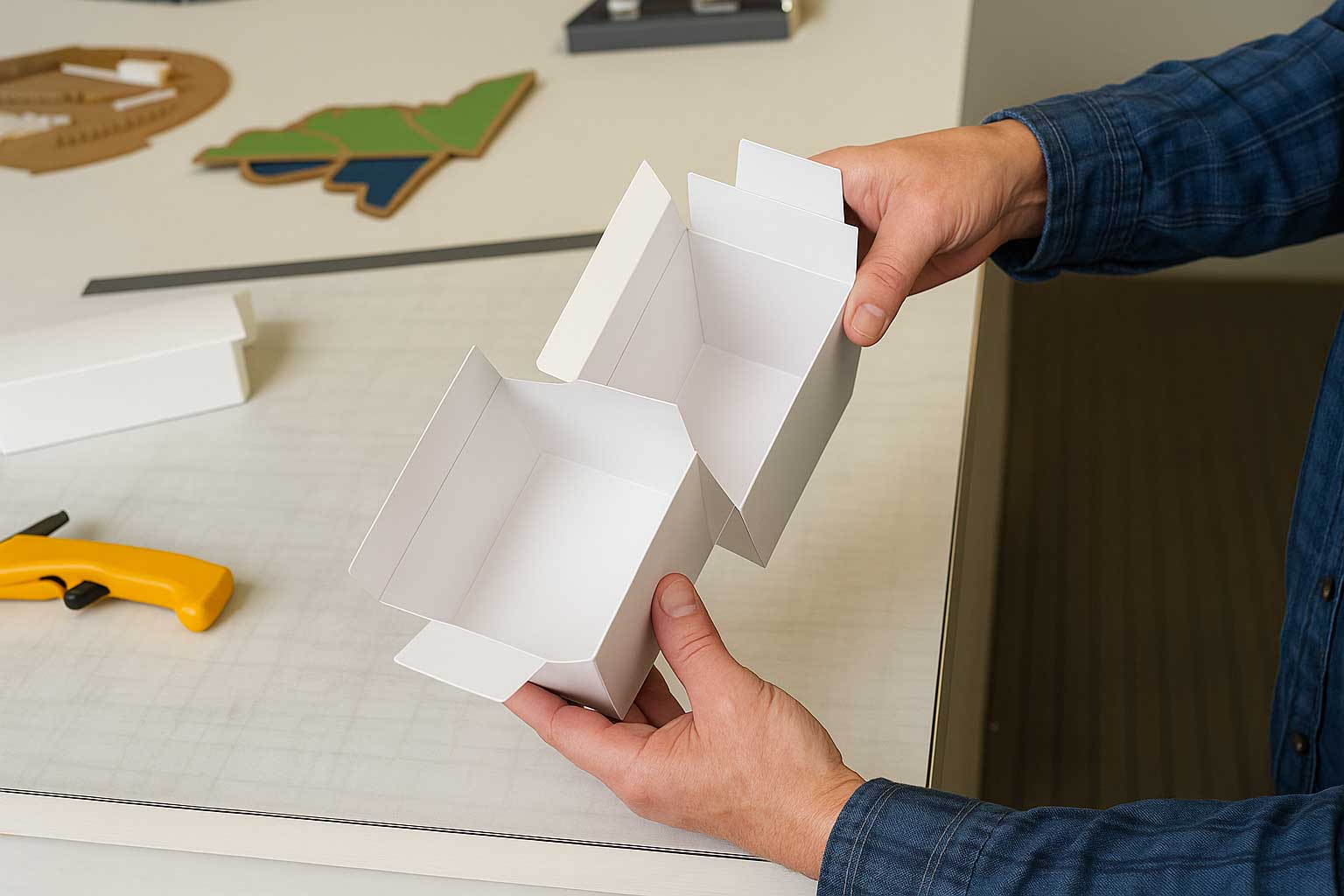
16 pt vs 28 pt Cartons: How to Choose the Right Thickness for Your Carton Packaging

Choosing between 16 pt and 28 pt paper might sound simple, but it can shape everything about your packaging. Thickness impacts how well your product survives shipping, how much material you use, how crisp your print looks, and how your cartons perform on the shelf and at unboxing.
In this post, we’ll break down what thickness really changes, when 16 pt is a smart, efficient choice, and when stepping up to 28 pt brings the extra protection and premium feel your folding carton packaging needs.
What Carton Thickness Means in Packaging
Carton thickness is measured in “points.” One point equals one thousandth of an inch.
- A 16 pt carton is 0.016 inches thick.
- A 28 pt carton is 0.028 inches thick.
That gap might look small on paper, but it changes how the board behaves, including structural rigidity, weight capacity, crush resistance, and how it feels in your customer’s hands. A thicker board gives you sturdier protection. A thinner board saves money, weighs less, and uses material more efficiently.
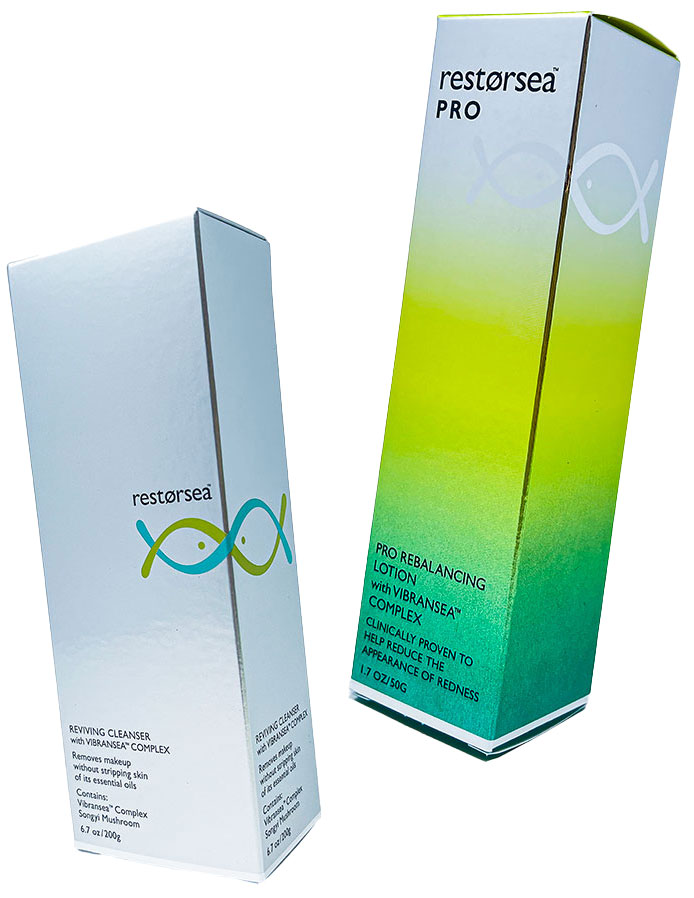
When a 16 pt Folding Carton Makes Sense
16 pt cartons work well for light to mid-weight products such as cosmetics, skincare, small personal care items, light electronics accessories, or products supported by inner packaging like molded trays or protective wraps.
With 16 pt, you get:
- Good structural support for normal handling and shipping
- Lower material cost and reduced shipping weight
- Clean printing and strong shelf presence
Many cosmetics and e-commerce brands rely on 16 pt because it delivers the right mix of cost efficiency and visual appeal.
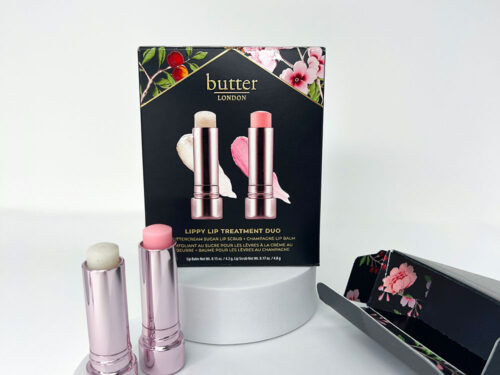
When to Upgrade to 28 pt Board
28 pt is the right choice when products are heavier, fragile, or need stronger protection during long-distance transit, pallet stacking, or multi-carrier delivery.
With 28 pt, you get:
- Better crush resistance
- Higher stacking strength
- A more rigid, premium feel that enhances perceived value
For heavy beauty bottles, glass packaging, premium gift sets, or any product with a higher damage risk, 28 pt reduces losses throughout shipping.
Why Thickness Impacts Performance
Your folding cartons move through factories, warehouses, carriers, distribution centers, and finally to the customer. At each step, thickness influences durability, cost, sustainability, and customer satisfaction.
Protection vs Cost Efficiency
Protection:
A thicker board prevents crushing, denting, and deformation. This reduces damage and returns, protecting margins and customer trust.
Cost and efficiency:
Thinner board uses less material and weigh less, which reduces packaging and shipping costs. For low-risk products, 16 pt keeps things efficient without overbuilding.
Choosing the right thickness helps you avoid unnecessary cost or damage.
Sustainability Considerations
Sustainability is a real business driver, not just a trend.
McKinsey’s global packaging research found that consumers are increasingly evaluating brands based on packaging materials and environmental impact.
Choosing the right board thickness can support sustainability.
- Overengineering can waste material
- Using too little material can lead to more damage and additional waste
- Right-sizing the board helps cut environmental impact and reduce product loss
Major brands now treat sustainable packaging as a competitive advantage, according to Bain research.

Brand Perception and Consumer Behavior
Packaging is often a customer’s first physical interaction with your brand, and can even act as a marketing tool. When cartons feel sturdy, print crisp graphics, and arrive intact, the product instantly feels more premium. McKinsey even describes packaging as an underrated performance and value driver, one that can contribute directly to margin and revenue. Better packaging supports both customer satisfaction and operational efficiency. On the flip side, cartons that feel flimsy, bend easily, or show up damaged can undermine credibility and drive up returns, especially when products travel long distances or move through multiple fulfillment steps.

Choosing the Ideal Carton Thickness for Cosmetic Packaging & CPG Products
16 pt is often the best choice for cosmetics, personal care, and lightweight CPG when:
- Products are light or mid-weight
- Shipments stay domestic or regional
- Inner protection already supports the product
- The brand prioritizes cost efficiency and sustainability
For heavier bottles, glass items, premium kits, long-distance shipping, or stacking in transit, 28 pt or higher is often the safer choice.

Carton Type: Standard
- Thickness: 16 pt
- Key Benefits: Lightweight, cost-efficient, good shelf presence
- Best Use: Cosmetics, small CPG, light retail boxes, DTC
Carton Type: Heavy Duty
- Thickness: 28 pt
- Key Benefits: Stronger protection, crush resistance, premium feel
- Best Use: Heavier items, fragile goods, long-distance shipping, stacked pallets

Market and Consumer Context: Why Smart Packaging Matters
Packaging shapes brand value, buying decisions, and profitability more than many teams expect. Industry research highlights a few consistent themes:
- Consumers place high importance on packaging quality and functionality.
- According to McKinsey, 40-80% of consumers worldwide are willing to pay more for sustainable packaging as long as durability is not sacrificed.
- Packaging choices can drive long-term margin gains and improve the customer experience, especially in beauty and CPG.
- Bain’s research also shows that sustainability-forward packaging helps brands build trust and stand out in crowded markets.
Smart carton thickness ties together product needs, logistics realities, and brand goals.

Practical Checklist for Choosing the Right Carton
Use this checklist to guide your decision.
Product Profile
- Weight
- Fragility
- Existing inner protection
Shipping and Logistics
- Local, regional, or international travel
- Carrier handling conditions
- Pallet stacking
- Number of handoffs
Brand and Market Positioning
- Premium, mid-tier, or value positioning
- Desired unboxing experience
- Importance of print quality and shelf presence
Sustainability and Cost Goals
- Material usage and cost
- Damage and return reduction
- Recyclability and circularity
Compliance and Market Requirements
- Regional packaging rules
- Sustainability expectations in target markets
This framework helps you avoid both overbuilding and underbuilding your packaging.
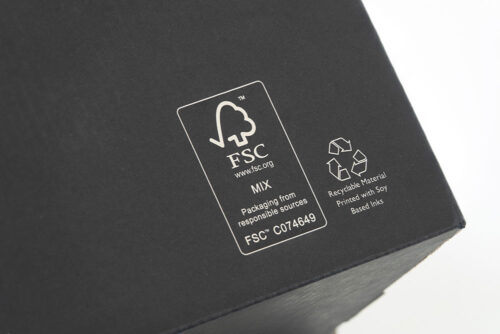
Why a Trusted Packaging Partner Matters
Choosing the right carton thickness affects how well your product is protected, what you spend, your sustainability targets, and the impression customers get when they hold it. A trusted partner can help you find the right balance.
With more than 70 years of experience, Meyers brings the right blend of expertise and personal service to help brands make smart, stress-free packaging decisions. Our team understands how board grades behave across production, filling, warehousing, and shipping, so you get packaging that performs everywhere your product travels.
Meyers delivers:
- Guidance that matches board thickness to your product weight and shipping conditions
- Sustainable, circular-friendly options that support your ESG targets
- Consistent manufacturing quality across every SKU
- Predictable timelines, clear communication, and a partner who feels like part of your team
With longer routes and more discerning shoppers, carton thickness can make or break performance. Work with our packaging experts to create folding cartons that protect your product, strengthen your brand, and support measurable business results.

Key Takeaways
- Carton thickness affects protection, cost, sustainability, and brand perception
- Fragile, heavy, or long-distance shipments need 28 pt
- Packaging quality and sustainability influence buying decisions
- Smart packaging choices support margin growth and customer loyalty
- A knowledgeable partner helps you make the best decision for your product and your supply chain
Related Blogs:
- How Does Packaging Become a Content Marketing Tool for Brands Seeking ROI and Authority?
- Design Strategies That Maximize the Impact of Carton Packaging in 2026
- Top Carton Packaging Design Trends for 2026: Smart, Sustainable, and Consumer-Driven
- Packaging Efficiency: 5 Fast Wins for Cost and Sustainability
- Creating a Standout Unboxing Experience: The Key to Building Brand Loyalty
FAQs
A 16 pt carton is 0.016 inches thick and offers a good balance of flexibility and strength for many retail and cosmetic products. A 28 pt carton is 0.028 inches thick and provides stronger rigidity and protection for heavier or more fragile items.
Use 16 pt when your product is light to moderately weighted, such as cosmetics, skincare, personal care, small electronics accessories, and other retail items. It performs well in shipping when paired with the right inner protection and supply chain conditions.
se 28 pt when your product is heavier, more delicate, or travels longer distances. It offers better crush resistance, stronger stacking strength, and a more substantial feel for premium packaging moments.
Yes. Thicker cartons, like 28 pt, provide more structural integrity, especially during long-distance freight, multi-carrier handling, or stacked storage. This reduces breakage and protects customer experience.
Yes. Many cosmetic and personal care brands ship safely in 16 pt cartons every day. They work well for products that are not extremely heavy and do not require high crush resistance. For heavier or fragile items, a thicker board may be the safer choice.
Absolutely. 16 pt cartons are commonly used for cosmetics, personal care, and other consumer goods that rely on clean print quality, crisp edges, and an elevated shelf presence.
Thicker cartons use more material, which can increase cost and shipping weight. Selecting the correct thickness helps avoid damage and unnecessary spending.
Not necessarily. The most sustainable option uses only as much material as the product needs. A thin carton that cannot protect a heavy item creates waste through returns and damaged goods. The right-sized board is the most sustainable choice.
Consider product weight, fragility, shipping distance, retailer requirements, and the unboxing experience you want to create. Meyers can help evaluate your supply chain and recommend a board grade that supports performance, cost, and sustainability goals.
Last Updated on June 9, 2026