
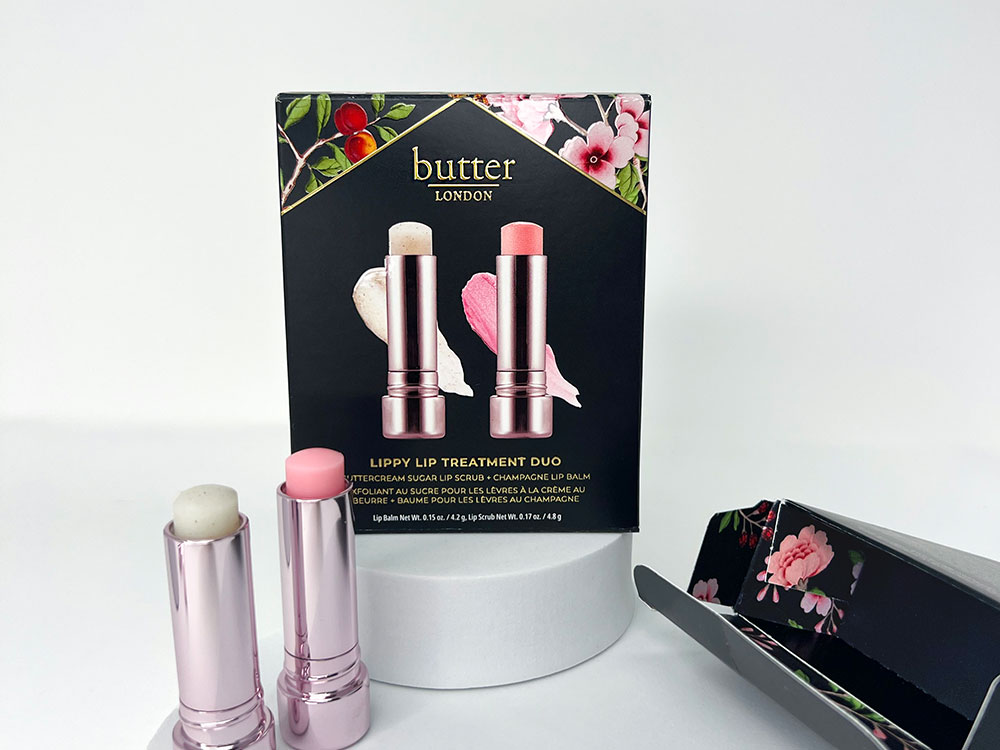
Design Strategies That Maximize the Impact of Carton Packaging in 2026

Key Takeaways
In 2026, effective carton packaging design must go beyond appearance. Most Americans agree that the design of a product’s packaging (72%) and the materials used to package a product (67%) often influence their purchase decisions when selecting which products to buy (Ipsos). In fact, 42% of consumers are more likely to share a product on social media if it arrives in premium or unique packaging, showcasing the power of design in building visibility and engagement (Meteor Space).
Learn five essential packaging design strategies that help brands stand out on the shelf, build a stronger identity, and support sustainability goals. From strategic use of color and typography to innovative structures, eco-friendly materials, and marketing integration, these packaging best practices offer actionable guidance for design teams and brand leaders. Whether you’re refreshing your packaging or launching a new product, these approaches ensure your packaging performs across retail and e-commerce.
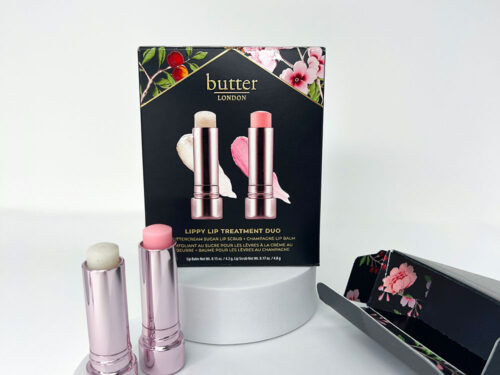
What Are Packaging Design Strategies?
Packaging design strategies are the principles that guide how a brand’s packaging is conceptualized and executed to meet specific business and customer goals. These strategies blend visual creativity with functional performance to support everything from branding and sustainability to logistics and marketing.
Whether your focus is on reducing waste, telling your brand story, or optimizing for e-commerce delivery, following the right packaging design best practices helps ensure your product connects with consumers and stands out in a crowded market.
Design Strategies That Maximize The Impact of Carton Packaging in 2026
In 2026, folding carton packaging must do more than look good. It must be functional, sustainable, on-brand, and adaptable across marketing channels. These five design strategies help brands improve shelf appeal, strengthen identity, and support operational goals.
1. Use Color to Communicate Brand Identity
Color influences how consumers perceive your brand, often within seconds, and it carries more weight than many realize. In fact, research published in Management Decision found that up to 90% of initial product assessments are based on color alone (Singh, 2006). Similarly, a study by the University of Loyola, Maryland, showed that color can increase brand recognition by as much as 80%. These findings highlight just how critical color choices are in packaging design.
Use color in packaging to:
- Reflect your brand’s personality and tone
- Create consistency across product lines and SKUs
- Differentiate from competitors in crowded categories
- Stand out in both retail and e-commerce environments
Partnering with color experts ensures consistency across print runs and materials.
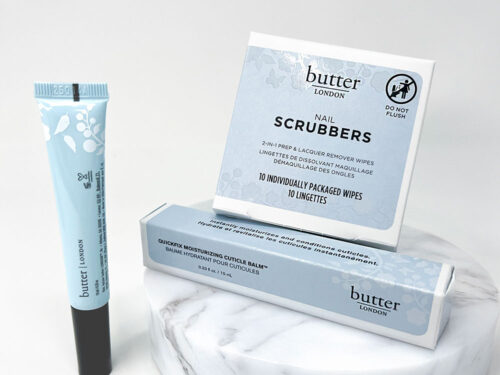
2. Choose Typography That Supports Clarity and Storytelling
Typography affects readability and how your brand is understood.
To improve effectiveness:
- Limit your design to one or two font families
- Select fonts that reflect the brand’s positioning (modern, organic, premium, etc.)
- Ensure legibility across sizes and viewing distances
- Align typography with structural and visual hierarchy
Strong typography balances style with function and helps consumers absorb key information quickly.

3. Innovate with Structural Design
Structural packaging design plays a major role in shelf impact and unboxing experiences.
Structural ideas to explore:
- Unique shapes, such as hexagonal or curved designs
- Functional elements that guide the unboxing experience
- Features that support shipping efficiency and retail stability
- Testable designs for automation compatibility and performance across the supply chain
Meyers’ structural design experts help brands create packaging that is distinctive, sustainable, and production-ready.
4. Build Sustainability into Every Packaging Layer
In 2026 and beyond, sustainable packaging is expected, not optional. A Nielsen global survey revealed that 81% of respondents feel strongly that companies should help improve the environment.
Use design to support sustainability by:
- Choosing recycled, recyclable, or compostable materials
- Optimizing carton dimensions to minimize waste
- Designing for curbside recyclability or reusable functionality
- Communicating environmental commitments clearly on pack
Effective sustainability starts in the design phase and extends across the entire lifecycle.
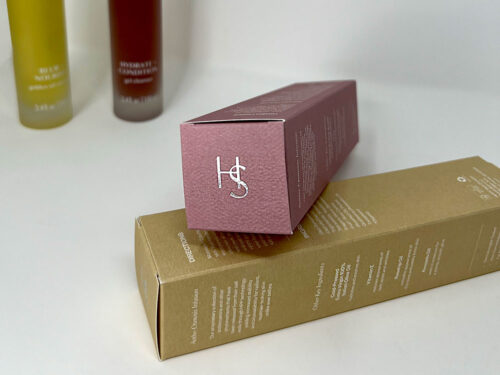
5. Use Packaging as a Marketing Channel
Your packaging is more than a box, it’s a marketing tool and an extension of your brand story. According to Meteor Space, 42% of consumers are more likely to share a product on social media if it arrives in premium or unique packaging, proving how much packaging design impacts brand engagement and online visibility.
Ways to maximize packaging as a marketing tool:
- Add QR codes that connect to digital content
- Include social media handles and branded hashtags
- Design for “unboxing moments” that encourage sharing
- Create collectible or multipurpose packaging formats
Folding cartons offer valuable real estate for storytelling, loyalty-building, and long-term brand presence.

E-Commerce vs. Retail Packaging Design: What’s Different?
Retail packaging and e-commerce packaging serve the same product but often demand entirely different strategies.
In retail environments, packaging must:
- Catch the eye on a crowded shelf
- Communicate brand values in seconds
- Withstand handling without compromising appearance
In e-commerce, packaging must:
- Protect the product during shipping
- Create a branded unboxing experience
- Support cost-efficiency and easy returns
Designing with these differences in mind ensures your packaging performs wherever it’s seen, or shipped.
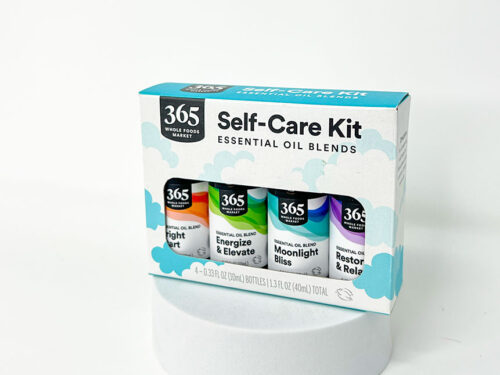
Sustainable Packaging Design That Works
Consumers demand sustainable packaging solutions, and so do retailers. But true sustainability goes beyond materials.
Design strategies for eco-conscious packaging include:
- Using FSC-certified, recycled, or compostable paperboard
- Reducing material usage with optimized structures
- Designing for curbside recyclability
- Clearly labeling sustainability features to aid disposal
- Choosing production partners committed to net-zero operations
These practices not only protect the planet but also demonstrate your brand’s values at every step of the customer journey.
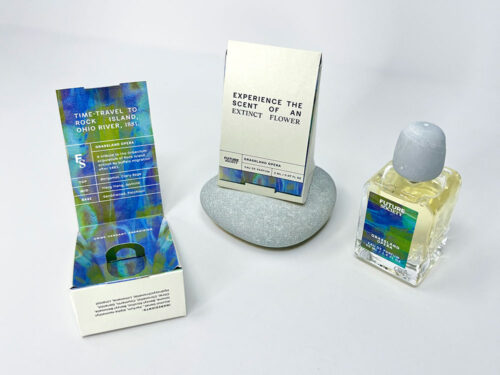
Structural Packaging Solutions for Function and Flair
Structural packaging isn’t just about form, it’s about problem-solving and brand-building.
Key considerations for structural packaging design:
- Custom folds or cut-outs that increase product protection
- Built-in features like tear tabs or hanging holes
- Stackable or shippable formats for shelf and warehouse efficiency
- Die-line optimization for automation compatibility
- Shapes that double as display-ready or giftable formats
Smart structural choices add value at every stage, from fulfillment to consumer interaction.
Checklist: Packaging Design Best Practices for 2026
Here’s a quick-reference checklist for teams looking to improve their packaging design:
- Keep fonts legible across all sizes
- Use color strategically to support brand recognition
- Optimize structures for both retail and e-commerce use
- Prioritize sustainable, recyclable materials
- Include digital bridges (QR codes, hashtags) to connect with consumers
- Test designs for shipping durability and production efficiency
- Ensure your design communicates your brand story instantly
Following these best practices leads to packaging that performs in every context.
Partner with Experts in Packaging Design
Successful packaging design requires creativity, technical knowledge, and strategic execution. At Meyers, we bring all three to the table, helping brands transform ideas into high-impact custom packaging solutions.
Meyers’ services include:
- Structural packaging solutions that balance innovation and manufacturability
- Advanced printing capabilities for accurate, consistent branding
- Sustainable packaging design expertise aligned with your environmental goals
- End-to-end support from design to delivery
- Collaborative partnerships focused on your long-term success
Whether you need a full packaging refresh or a custom solution for a new product launch, we’re here to help your brand thrive across every channel.
FAQs
In 2026, effective packaging design strategies focus on five key areas: strategic use of color, legible and brand-aligned typography, innovative structural design, sustainable materials, and marketing integration through elements like QR codes. These approaches help brands stand out across both retail and e-commerce platforms.
Custom packaging design allows brands to tailor every visual and structural element, such as color, shape, materials, and messaging, to their unique story and audience. This creates a more memorable and cohesive brand experience that drives recognition and loyalty.
Retail packaging focuses on-shelf appeal, durability, and quick brand recognition, while e-commerce packaging prioritizes product protection, cost-efficient shipping, and engaging unboxing experiences. The best packaging strategies account for the demands of both channels.
Sustainable packaging design helps brands meet consumer expectations and environmental regulations by using recyclable or compostable materials, minimizing waste, and communicating eco-friendly efforts on-pack. It also supports long-term brand trust and corporate responsibility goals.
Last Updated on January 7, 2026