
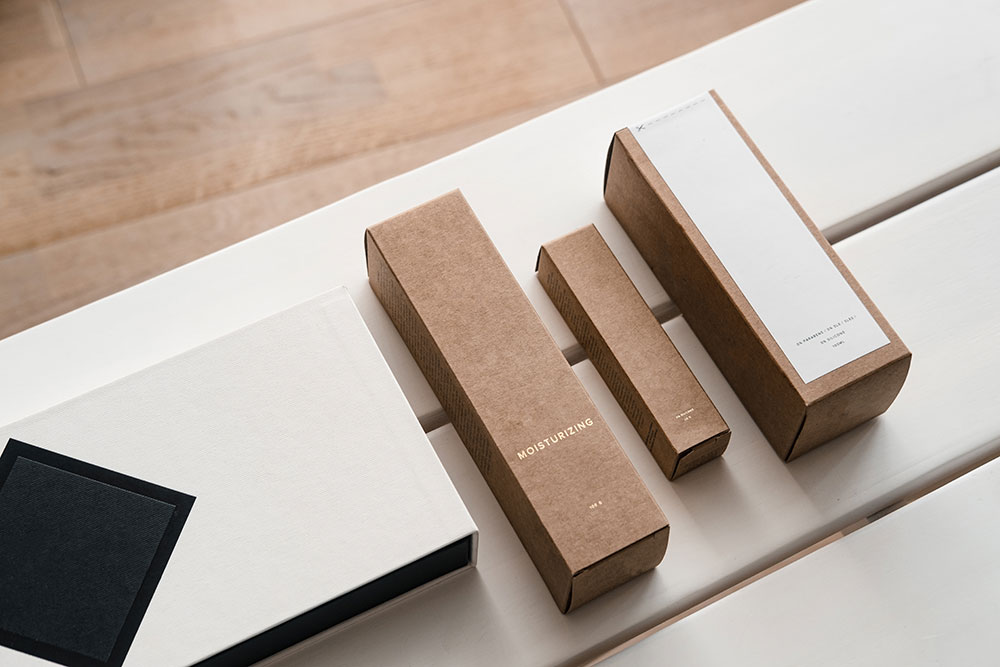
How PCR Packaging Supports Your Goals and Your Customers’ Expectations

PCR packaging plays a meaningful role in how brands meet sustainability expectations, strengthen customer trust, and plan responsibly for the future. When PCR is used with intention, it reduces waste and reinforces the connection between your brand, your supply chain, and the people who choose your products.
This guide explains how PCR folding carton packaging supports operational goals, sustainability programs, and brand value, and how the right partner can make the transition simple and stress-free.
What PCR Packaging Means for Your Brand
PCR, or post-consumer recycled content, is created from materials that have already served a previous life and were collected through recycling systems. While PCR is often discussed within sustainability conversations, its benefits extend across strategy, operations, and customer experience.
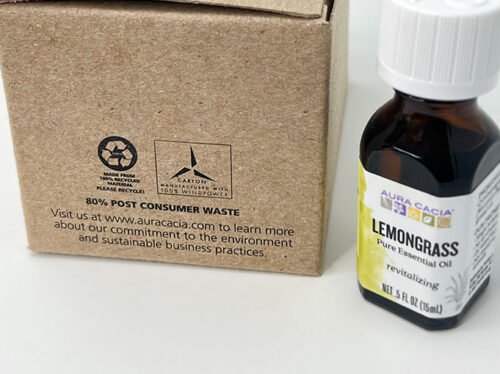
PCR Strengthens Sustainability Commitments
Brands are facing rising expectations from customers, employees, retailers, and investors. These expectations are no longer vague ideals. Stakeholders want real, verifiable progress. PCR helps teams meet those expectations in a practical and measurable way. It supports
- Stronger ESG commitments
- More accurate sustainability reporting
- Lower carbon footprint
- Alignment with retailer requirements
- Reduced waste through circularity
- Greater credibility in brand storytelling
Sustainable packaging, including recycled content materials, is increasingly seen as essential to corporate responsibility. Deloitte’s work on the circular economy highlights how circular materials and recycled inputs can help reduce environmental risk and support long-term business performance.
By choosing PCR, organizations can build reliable, transparent sustainability metrics that stakeholders, from customers to investors, can trust.
PCR Supports Brand Perception
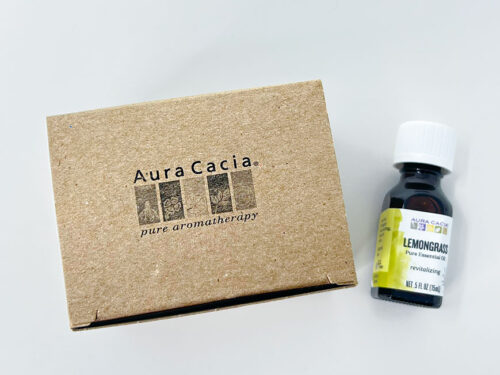
Packaging is one of the most visible expressions of a brand. Customers notice when materials feel responsible and thoughtfully chosen. PCR gives brands a visible and credible way to communicate environmental values without sacrificing creativity, color accuracy, or print consistency.
When used consistently across product lines, PCR strengthens brand reputation and signals purposeful decision-making. In an era where sustainability is part of brand equity, packaging becomes a statement of values rather than an afterthought.
When used consistently, PCR strengthens brand reputation and signals purposeful decision making to customers and stakeholders alike.
How PCR Packaging Supports Operational Goals
Operational teams depend on consistency, predictability, and clear communication. PCR packaging can support all of these needs when engineered correctly and produced by a partner with strong technical experience.
PCR Helps Reduce Disruptions
Modern sustainable packaging substrates, including recycled content materials, are increasingly designed to run reliably across standard printing and converting processes. This helps reduce the operational disruptions that earlier generations of eco materials sometimes created.
When properly specified, PCR cartons and labels can behave as consistently as virgin materials. That reliability helps teams
- Avoid unnecessary redesign
- Limit production delays
- Maintain a stable supply availability
- Achieve consistent quality across runs
These advantages protect production schedules and help prevent disruptions that ripple through forecasting, inventory, and logistics. When materials perform as expected, teams can plan confidently and focus on other priorities.
This reliability protects production schedules and prevents the operational ripple effects that can occur when packaging materials perform inconsistently.
Why PCR Matters to Shoppers
Today’s consumers increasingly care about the impact of their purchases. Packaging is often the first physical interaction they have with a product, and how it is designed sends a strong signal about brand values. PCR packaging responds directly to these expectations.
PCR Builds Trust
Consumers associate recycled content and sustainable packaging with responsible business practices. Research from McKinsey on consumer attitudes toward sustainable packaging shows that a significant share of global consumers are willing to change purchasing habits to reduce environmental impact, and many consider sustainable packaging an important factor.
By using PCR consistently, brands show that they take their environmental footprint seriously, not just in messaging but in material choices. That builds credibility, loyalty, and long-term value.
PCR Reflects Evolving Shopper Values
More customers want products that align with their environmental priorities. PCR supports key values shoppers look for, including
- Lower environmental impact
- Responsible material use
- Transparency in brand decision-making
- Products that feel better for the planet
When customers feel aligned with the choices behind a product, their connection to the brand grows stronger.
PCR Enhances The Product Story
Packaging is often the first touchpoint a customer sees. It shapes their perception of the brand before they even open the product. PCR gives brands an opportunity to communicate environmental priorities through a tangible, visible medium.
- Local, regional, or international travel
- Carrier handling conditions
- Pallet stacking
- Number of handoffs
By choosing PCR content, companies make a sustainability statement that feels genuine and grounded. That connection can increase customer loyalty and reinforce brand values over time.
Why a Trusted Packaging Partner Matters
Transitioning to PCR does not need to be complicated. With the right partner, it can feel clear, manageable, and confidence-building. Meyers offers that partnership.
Meyers delivers:
- One trusted partner for cartons, labels, and RFID packaging
- Sustainable, circular-friendly options that support your ESG targets
- Consistent, high-quality printing across all formats
- Production that supports landfill-free and responsible packaging claims
- Right-sized expertise with the care and attention of a family business

With our experience, technical capabilities, and sustainability focus, we help brands adopt PCR packaging in a way that supports performance, design, and environmental commitments without adding stress or complexity to internal operations.
Key Takeaways
- PCR packaging supports modern brands across operations, sustainability, customer experience, and long-term strategy.
- It helps measurably reduce environmental impact and strengthens trust with customers and retail partners.
- PCR packaging meets rising expectations from shoppers, regulators, and retailers without disrupting production or design.
- When brands choose PCR with intention, it reinforces responsible decision-making and strengthens overall brand perception.
- Working with a trusted partner ensures PCR adoption is simple, predictable, and aligned with quality and performance needs.
- Meyers provides the scale, technical expertise, and attentive support that help teams move forward with confidence and deliver packaging that performs on shelf and supports long-lasting brand value.
Related Blogs:
- What is PCR Packaging? Types, Benefits, Applications
- PCR Cosmetic Packaging: 8 Examples and Trends
- What Is PCR Plastic? 7 PCR Packaging Applications
FAQs
PCR, or post consumer recycled content, is made from materials that have already been used, collected, and reprocessed through recycling systems. It replaces a portion of virgin material in packaging while maintaining strong performance and print quality.
Recyclable packaging describes materials that can be recycled in the future. PCR describes materials that have already been recycled and turned into something new. PCR supports circularity by keeping materials in use longer and reducing demand for virgin resources.
Yes, when engineered correctly. Modern PCR substrates are designed to run smoothly on standard printing and converting equipment. Brands can achieve consistent quality, reliable lead times, and strong shelf presence with well specified PCR packaging.
With the right partner, no. Meyers manages color consistency and print performance carefully across cartons, labels, and other formats. You get high quality results that maintain brand standards while supporting sustainability goals.
PCR pricing depends on the substrate, market conditions, and the percentage of recycled content. Many brands find that PCR creates long term value by improving sustainability reporting, protecting retailer relationships, and reducing reputational risk. Meyers provides guidance to choose the most cost effective and sustainable option for your needs.
Yes. Many retailers have set clear expectations for sustainable packaging, including increased use of recycled content. PCR helps brands meet these expectations and stay aligned with emerging industry standards.
PCR helps reduce landfill waste, lowers greenhouse gas emissions, increases recycled content metrics, and strengthens ESG reporting. It is one of the most practical and measurable steps brands can take to advance their sustainability programs.
Last Updated on January 7, 2026