Folding Cartons

Custom Folding Carton Packaging for Retail Brands

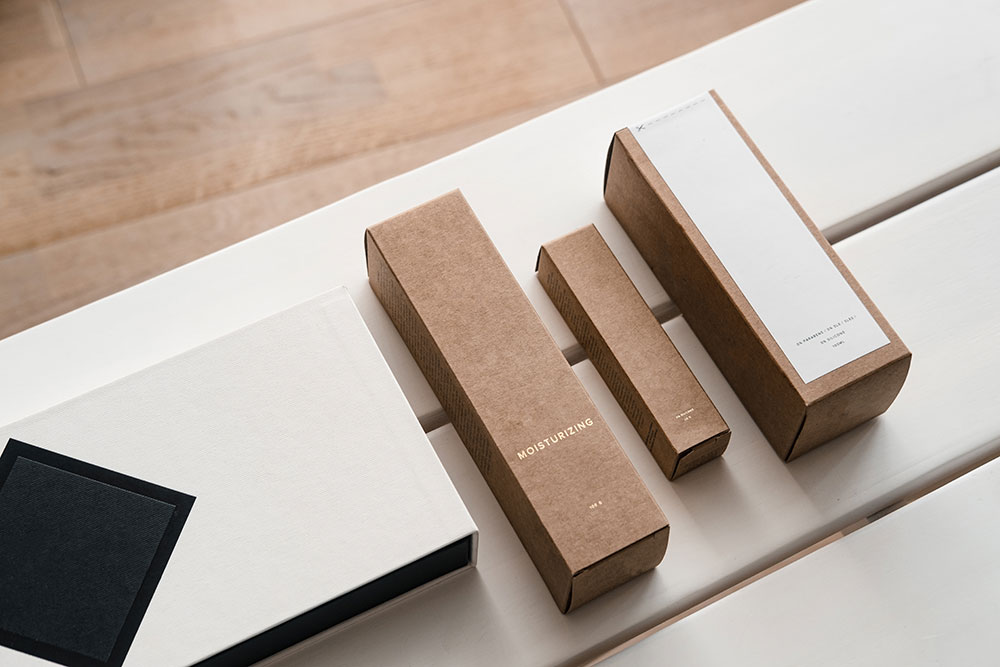
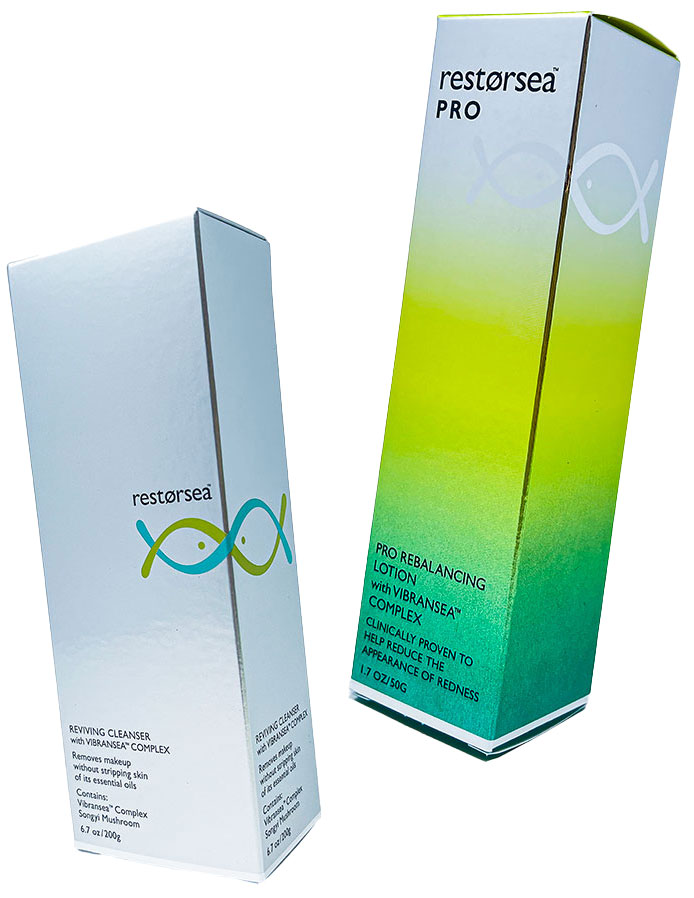
Folding cartons are paperboard packaging solutions used as primary retail packaging across beauty, food, wellness, and consumer goods. Meyers designs and produces custom folding cartons that support product protection, shelf presentation, and reliable performance throughout distribution.

This page provides an overview of folding carton packaging solutions. For production and process details, see our folding carton manufacturing page.

Looking for eco-friendly options? Explore our sustainable folding cartons to see how responsible materials meet premium design.

Packaging Designed for Durability and Shelf Appeal

Folding cartons are designed to balance durability, visual appeal, and efficiency. Each carton is tailored to product dimensions, branding requirements, and retail handling needs, helping brands maintain consistency from packing through point of sale.


Our printing technology delivers precise, consistent color and quality from first impression to unboxing. Since 1949, Meyers has helped brands create CPG packaging that stands out on every shelf.

Explore other solutions:
Folding Cartons Icon - Packaging
Carton Manufacturing
RFID Icon - Packaging
RFID Packaging
Sustainable Packaging

Key Considerations for Folding Carton Packaging

Sustainability

Responsibly sourced paperboard and recyclable materials are commonly used in folding carton packaging.

Design Flexibility

Carton styles, finishes, and structural options that support branding and retail requirements.

Integrated Solutions

Optional features such as RFID-enabled packaging for visibility and compliance.

Finding the Best Carton Style for Product Safety and Shelf Impact

Every product deserves packaging that fits perfectly, in form, function, and finish. The right folding carton style improves product protection, enhances usability, and elevates your brand’s presence on the shelf.

Explore our most popular carton styles, each engineered for performance and visual appeal:

Popular Packaging Styles for Folding Cartons

Straight tuck end folding box

In the straight tuck box design, the top and bottom closing tuck panels are placed on the same side as its front panel, creating a sleek and clean packaging design. This style is commonly used for various products, including cosmetics, soaps, and pharmaceutical products.

Reverse Tuck End Box

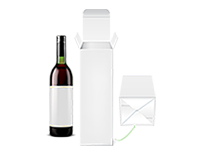
Reverse tuck boxes share a similar design to straight tuck boxes except for the placement of their tuck panels. The closing panels of reverse tuck box folding cartons are on opposite sides. The top closing tuck panel aligns with the front panel, folding towards the back of the carton, while the bottom panel closes towards the front.

Auto bottom tuck top box

Auto-lock bottom boxes are also known as crash bottom boxes. Carton manufacturers and other industry professionals often deem it to be the strongest folding carton to use. Its bottom doesn’t require additional flaps or tape to lock in place and be secure during assembly; its design allows it to tuck itself in place.

Snap Lock Box

The top flap of the carton tucks into the box to close it, providing easy access and the ability to reseal.

Snap Lock Box

The bottom of the carton is designed with flaps that interlock and “snap” into place without the need for glue. This creates a sturdy base that can support heavier products.

Sleeve Folding Carton

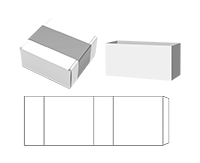
An open-ended carton that slides over a product or another box, adding protection and branding. It enhances the product’s appearance and provides additional information without fully enclosing it. Sleeves are commonly used for cosmetics, food products, and electronics.

Seal End Folding Carton

Both ends are sealed after the product is placed inside. The ends are typically glued or heat-sealed, providing a secure closure. This design is commonly used for packaging items like cereals, snacks, and pharmaceuticals, where tamper evidence and product protection are important.

Hang tab folding box

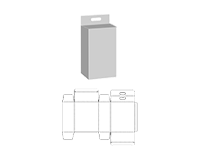
The are folding cartons that include a built-in or attached tab, usually at the top, allowing the package to be hung on retail display hooks or pegs. This feature enhances product visibility and accessibility in stores, making it easier for customers to see and select the product. Hang tab cartons are commonly used for lightweight products such as small electronics, cosmetics, and accessories.

Snap Lock Box

Snap bottom lock boxes combine the functionalities of an auto-lock flap and a regular tuck-in flap. Some professionals may also refer to these boxes as 1-2-3 bottom boxes because it only takes three steps to lock the bottom. It’s ideal for heavier objects, such as glass or metal.

one-piece-tuck-top-box

One-piece tuck-top boxes, resembling mailer boxes, feature a hinged opening with locking flaps for secure transportation. The flat bottom and double-sided walls improve the box’s sturdiness. Typically, these boxes use a friction lock for the tuck-top; however, some variants may utilize an anchor or spear lock for added security. Businesses often use these boxes for donuts, clothing, and bouquets, to name a few.

Not sure which carton style fits your product best? Our packaging experts can help you choose a design that meets your brand, shipping, and retail needs.

Key Elements of Effective Folding Carton Design

Effective folding carton design balances visual clarity, structural function, and consistency across product lines. Design decisions influence how cartons appear on shelf, protect products during handling, and support a cohesive brand experience.

Key elements commonly considered in folding carton design include:

These elements help brands adapt packaging for new products, line extensions, or refreshed designs while maintaining consistency and scalability.

folding cartons

Finishes That Enhance Brand Presentation

Finishing treatments add visual and tactile detail to folding carton packaging. These options are often used to highlight branding elements, improve shelf differentiation, and enhance the overall packaging experience.

Common finishing options for folding cartons include:

  • Soft-touch coatings: Create a smooth, premium surface feel
  • Gloss or matte varnishes: Add constrast and visual emphasis
  • Embossing, debossing, or foil accents: Introduce dimension and focal points
  • Specialty coatings: Support durability and surface protection

Finishes are selected based on brand goals, product positioning, and retail environment requirements, helping packaging communicate quality and intent at the point of sale.

Packaging Solutions by Industry

Folding carton packaging is used across industries with different regulatory, functional, and branding requirements. Packaging solutions are often adapted by industry to support product protection, retail presentation, and supply chain needs.
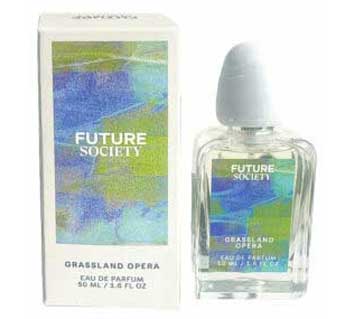
Folding Cartons for Beauty and Personal Care Products
Beauty & Personal Care

Carton packaging designed to support brand presentation, product protection, and premium unboxing experiences.
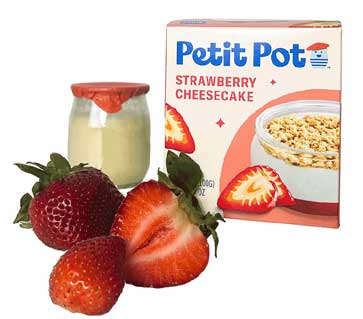
Carton Packaging for Food & Beverage Products
Food & Beverage

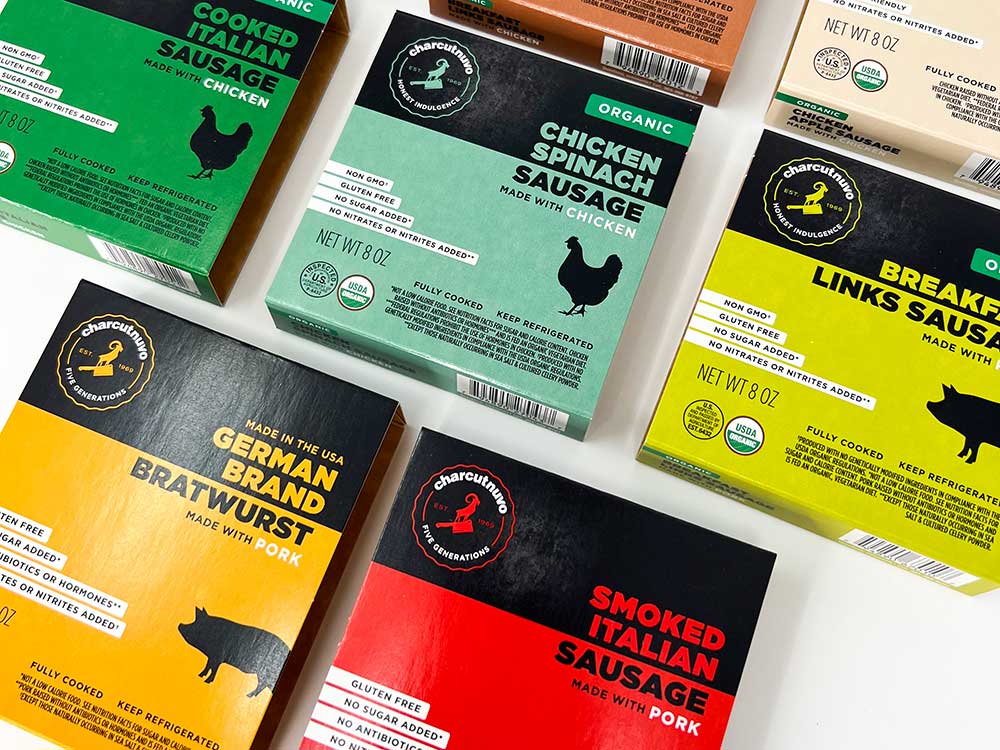
Folding cartons designed to maintain product integrity, support freshness, and perform in retail environments.

Custom Folding Cartons for Wellness & Supplement Products
Wellness & Supplements

Carton designs that balance protection, labeling clarity, and visual consistency across product lines.
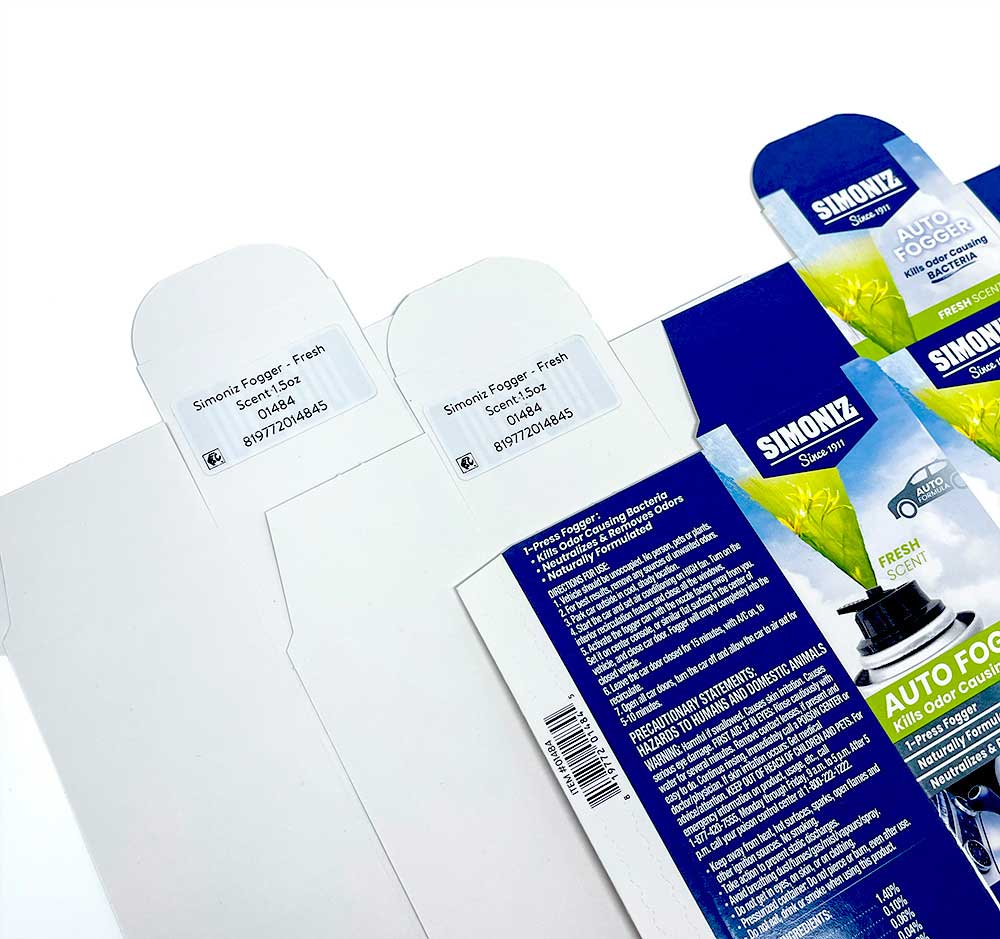
sustainable rfid packaging
RFID Packaging

Smart folding cartons that integrate RFID features to support supply chain visibility, inventory management, and retail compliance.

Capabilities That Support Folding Carton Packaging

Folding carton packaging programs are supported by a combination of printing, converting, and quality controls to ensure consistency across design variations and production volumes.

For details on production processes and capacity, view our folding carton manufacturing page.

Frequently Asked Questions about Folding Cartons

Folding cartons are used as primary retail packaging for consumer goods such as food, beverages, health, beauty, wellness, and other retail products. They are designed to protect products, support branding, and perform in retail and distribution environments. They are the dominant packaging format, accounting for over 80% of all paperboard packaging worldwide.

Folding cartons are typically made from paperboard materials such as solid bleached sulfate (SBS) or recycled paperboard. Material selection depends on product requirements, print needs, and sustainability goals.

YYes. Most folding cartons are recyclable through curbside recycling programs because they are made primarily from paperboard, a renewable and widely recycled material in the United States. In fact, paperboard cartons have a recycling rate above 60% in the U.S. which is significantly higher than the recycling rates of many plastic packaging formats, such as PET bottles (~29%) or flexible plastics (<10%). This makes folding cartons one of the most sustainable mainstream packaging options.

Folding cartons can be customized by size, structure, graphics, finishes, and functional features such as windows or hang tabs. These options allow brands to align packaging with product needs and retail presentation goals. In fact, packaging studies show that foil stamping alone can increase purchase intent by up to 40% compared to standard printed cartons.

Folding cartons support sustainability through the use of renewable paperboard materials, recyclability, and efficient material use. Many brands choose folding cartons as an alternative to plastic packaging to reduce environmental impact. Switching from plastic clamshells to paperboard cartons can reduce plastic waste by up to 70%.

Folding Carton Insights & Resources

Certifications & Accreditations

ecovadis-certification

The EcoVadis Bronze certification is a rating awarded to companies that rank within the top 35% of all companies for their overall sustainability performance. It indicates a strong awareness of social and environmental impacts, a commitment to continuous improvement, and a structured approach to sustainability management across environmental, labor, ethics, and sustainable procurement criteria. 

A Sustainable Green Printing Partnership (SGP) certification is a comprehensive, third-party validation for print and packaging facilities that meet high environmental standards and demonstrate best practices for sustainability across their entire operations. This certification involves a comprehensive audit to ensure a facility reduces waste and energy consumption, transitions to sustainable materials, creates safer workplaces, and maintains a strong sustainability management system.

The Great Printer Environmental Initiative Program recognizes printers who exceed required mandates in compliance with all Environmental, Health, and Safety (EHS) rules, regulations, and laws. Great Printers demonstrate their commitment to minimizing their impact on human health and the environment while producing quality printed products.  

Last Updated on January 27, 2026