
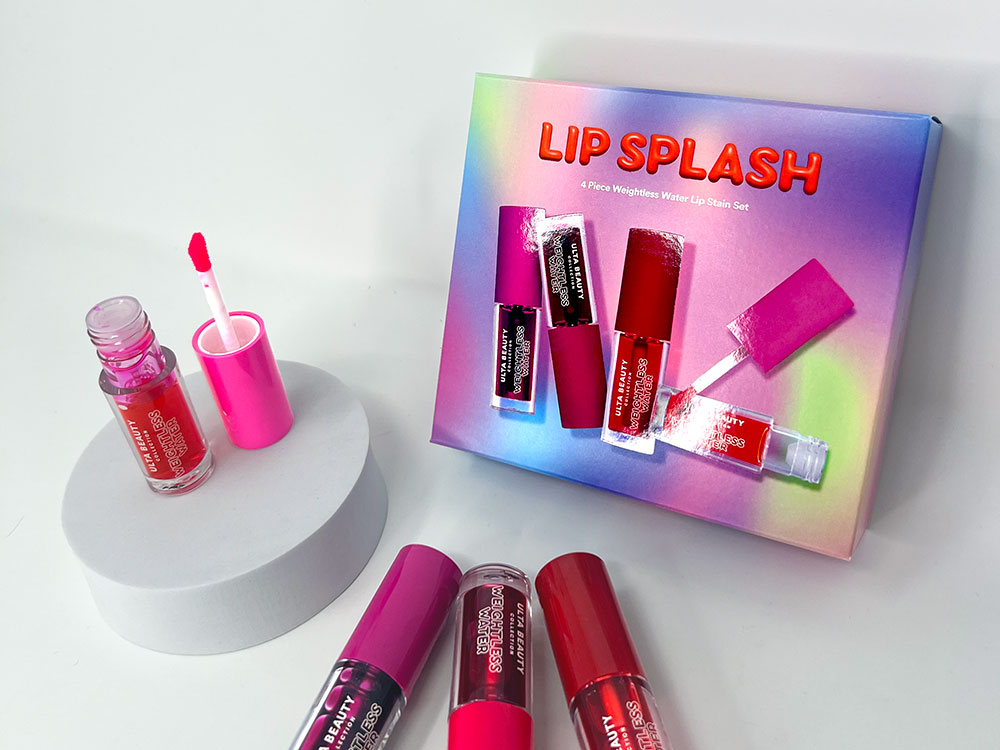
How Does Packaging Become a Content Marketing Tool for Brands Seeking ROI and Authority?

Key Insights: Packaging and Content Marketing ROI
- Sustainability premium: More than 60% of U.S. consumers would pay more for sustainable packaging (McKinsey, 2020).
- Content marketing ROI: Generates three times more leads at 62% lower cost than outbound marketing (Demand Metric, 2023).
- Trust impact: 81% of consumers say trust is a key purchase driver (Edelman, 2023).
- Purchase decisions: 64% of consumers try new products because of packaging appeal (Nielsen, 2019).
- Eco-conscious purchasing: 72% of consumers report buying more environmentally friendly products than five years ago (BCG, 2023).
- Content demand: Buyers consume an average of 13 content pieces before making a purchase decision (FocusVision, 2020).
Why is Packaging an Untapped Content Marketing Asset?
Packaging has historically been treated as a cost center, focused on protection and compliance. It has evolved into one of the most visible brand touchpoints and a natural extension of content marketing strategy.
Consumer expectations have shifted. Bain & Company reports that 75% of consumers consider sustainability when making a purchase, and many will switch brands if alternatives with better sustainability claims are available (Bain, 2022). Packaging carries these claims directly to the consumer and can be leveraged across digital campaigns, retail negotiations, and investor communications.
Integrating packaging into thought leadership content marketing allows brands to build authenticity, lower acquisition costs, and position themselves as industry leaders.

How Do Pressure Sensitive Labels Add Content Value?
Pressure sensitive labels, though small, are high-value content assets because they:
- Communicate sustainability credentials such as recyclability or recycled content percentages.
- Provide transparency with ingredient, sourcing, or compliance details that reinforce trust.
- Enable interactivity with QR codes, NFC tags, or AR integrations that extend the consumer journey online.
McKinsey found that packaging with sustainability claims increases purchase intent by up to 20% in certain categories (McKinsey, 2020). By embedding those claims directly into labels and then amplifying them across digital channels, brands gain both credibility and efficiency.
How Do Folding Cartons Elevate Brand Storytelling?
Folding cartons offer greater real estate for messaging, certification marks, and premium finishes. They are especially effective in:
- Building brand authority: High-quality design elements such as embossing or metallic finishes communicate leadership and innovation.
- Supporting sustainability narratives: Cartons can showcase certifications like FSC, highlight renewable energy use, or call out recyclable materials.
- Amplifying digital performance: Bold packaging designs photograph and film well, becoming organic content for social and influencer campaigns.
Nielsen research shows that packaging appeal drives trial for nearly two-thirds of consumers (Nielsen, 2019). Folding cartons therefore serve both as retail shelf differentiators and as reusable content assets.

What Role Does RFID and Smart Packaging Play in Authority Building?
RFID and smart packaging technologies extend packaging beyond physical appeal into measurable transparency and digital engagement. They:
- Enable supply chain traceability: RFID provides real-time visibility from source to shelf, which is increasingly demanded by retailers.
- Authenticate products: NFC and RFID combat counterfeiting, a problem estimated to represent 3.3% of global trade (OECD, 2019).
- Extend the consumer experience: Interactive packaging connects to tutorials, loyalty programs, or sustainability dashboards.
McKinsey reports that companies adopting RFID achieve inventory accuracy gains of more than 25% compared with barcodes or manual counts (McKinsey, 2022). These same technologies also build consumer trust when integrated into content marketing, reinforcing a brand’s authority in transparency and innovation.
What Challenges Do Brands Face in Using Packaging as Content?
Turning packaging into a content marketing tool requires addressing several challenges:
- Limited space: Packaging must balance compliance details, branding, and storytelling.
- Consistency across SKUs: Multi-product lines require cohesive messaging without duplication.
- Design integrity: Aesthetic packaging must integrate sustainability or RFID features without compromising appeal.
- Retailer requirements: As retailers demand proof of sustainability and transparency, brands must ensure packaging aligns with those expectations.
- Resource gaps: Many marketing teams lack access to sustainability metrics or supply chain data without support from packaging suppliers.

How Can Brands Get Started withContent Marketing?
- Audit existing packaging: Identify sustainability metrics, certifications, or design elements that can be amplified in marketing campaigns.
- Align packaging with brand strategy: Ensure packaging reflects core brand values such as innovation, sustainability, and wellness.
- Incorporate smart features: Use QR codes, RFID, or NFC to connect physical packaging to digital experiences.
- Build integrated campaigns: Repurpose packaging stories across social media, email, case studies, and retail buyer presentations.
- Collaborate with packaging partners: Work with suppliers like Meyers who provide sustainability data, smart packaging expertise, and premium design capabilities.
Bain research shows that brands with integrated sustainability strategies achieve faster revenue growth and stronger customer loyalty compared with peers (Bain, 2022). Packaging-based content is a critical part of that integration.
What Are the Business Benefits of Packaging-Based Content Marketing?
- Return on Investment: Packaging stories are cost-effective content assets because they are embedded in products already being produced. Bain reports that companies that lead on sustainability grow revenues about 6% faster than their peers (Bain, 2022).
- Authority: Packaging demonstrates innovation in ways that consumers and retailers can immediately see. PwC reports that 91% of executives believe building trust improves financial performance (PwC, 2023).
- Retail advantage: Strong packaging stories differentiate brands during retail negotiations and build leverage with buyers.
- Consumer loyalty: Deloitte found that 57% of consumers remain more loyal to brands that address social and environmental issues (Deloitte, 2022). Packaging that documents these commitments creates loyalty beyond the product itself.

Key Takeaways
- Packaging is an underutilized but powerful content marketing channel.
- Pressure sensitive labels, folding cartons, and RFID-enabled packaging each provide distinct storytelling advantages.
- Consumers demand sustainability, transparency, and innovation, making packaging the ideal proof point for authority-driven marketing.
- Partnering with the right packaging supplier ensures both product delivery and content readiness.
Partner with Meyers for Packaging-Driven Thought Leadership
Meyers helps CPG brands transform packaging into content-ready marketing tools. From pressure sensitive labels to folding cartons and RFID-enabled solutions, our carbon-neutral operations and structural design expertise equip brands to build authority and achieve ROI.
Contact Meyers today to explore how packaging can become your next marketing advantage.
Related Blogs
- How to Use Packaging as a Marketing Tool: 7 Strategies
- Design Strategies That Maximize the Impact of Carton Packaging in 2026
- Product Packaging Virality: Viral Marketing Examples in Packaging
- How to Market Your Brand’s Sustainability Advantage: A Guide to Green Marketing
- Top Carton Packaging Design Trends for 2026: Smart, Sustainable, and Consumer-Driven
- Creating a Standout Unboxing Experience: The Key to Building Brand Loyalty
- The Elements of Effective Label Design: Tips and Trends

FAQs
Packaging provides tangible proof of sustainability, innovation, and transparency that can be repurposed into blogs, case studies, social campaigns, and retailer presentations.
Folding cartons showcase certifications, premium finishes, and sustainability claims that influence purchase decisions. Research shows that 64% of consumers try new products because of packaging appeal (Nielsen, 2019). These same features fuel digital content that drives engagement and sales.
Pressure sensitive labels highlight recyclability, ingredient transparency, and compliance details while enabling interactive features like QR codes. Packaging with sustainability claims can increase purchase intent by up to 20% (McKinsey, 2020). Labels turn these claims into visible proof that builds authority.
Smart packaging enables supply chain transparency, product authentication, and consumer engagement. RFID improves inventory accuracy by more than 25% compared with barcodes (McKinsey, 2022). This operational data can also be leveraged in marketing and thought leadership content.
Meyers delivers carbon-neutral production, folding cartons, pressure sensitive labels, and RFID-enabled solutions. These innovations create content-ready stories that help brands prove sustainability commitments, showcase innovation, and build long-term authority.
Brands that overlook packaging as a content source may miss sustainability storytelling opportunities, fail to differentiate in retail conversations, and lose credibility with consumers demanding transparency.
Last Updated on March 20, 2026