
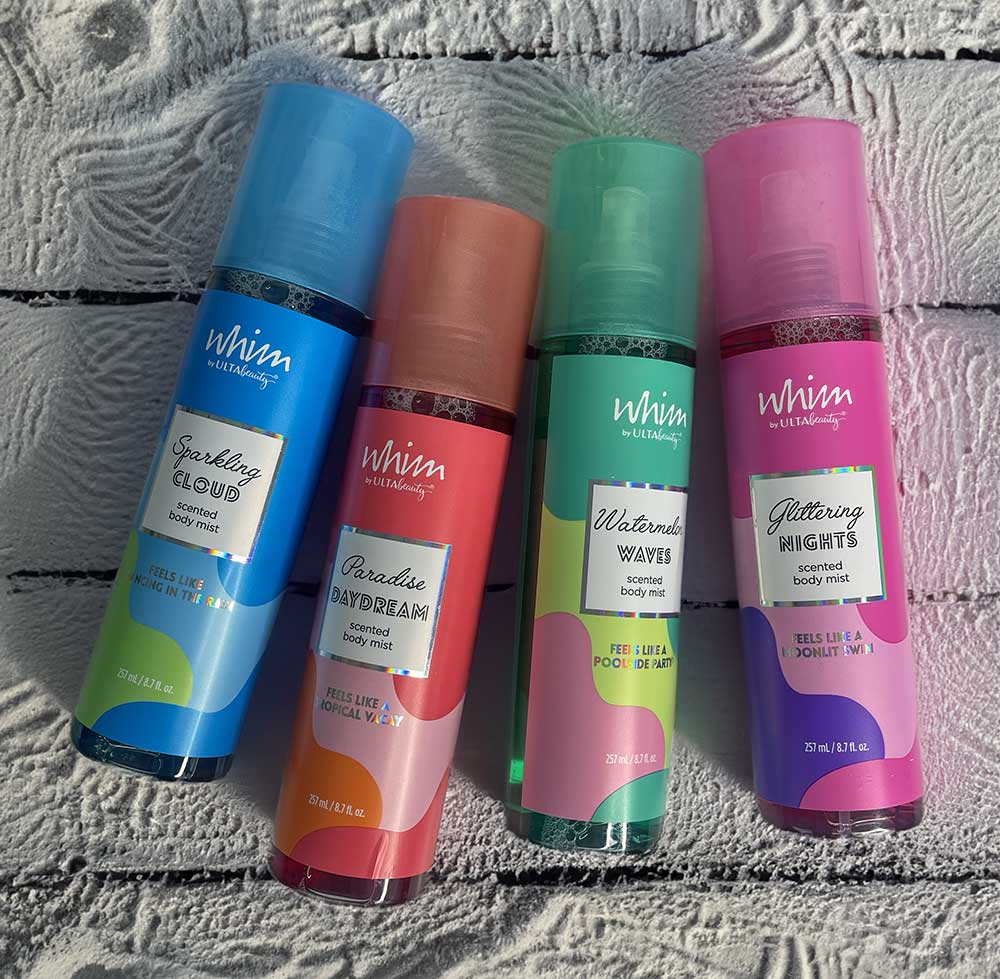
Sustainable Beauty Packaging: Industry Trends and Opportunities

Key Sustainability Insights: Market Growth and Consumer Preferences
- McKinsey’s research shows that 50% of consumers prioritize sustainability when making purchasing decisions.
- McKinsey’s study also highlights that 44% of consumers value the environmental impact of packaging in their decisions.
- Products with ESG claims grow 28%, outperforming non-ESG products, which grow by 20% (McKinsey).
- The global sustainable packaging market is projected to grow from USD 272.93 billion in 2023 to USD 448.53 billion by 2030, reflecting a compound annual growth rate (CAGR) of 7.6% (Grand View Research).
- Refillable makeup sales increased by 364% in the first half of 2022 (NPD Group).
- Circular packaging systems can reduce emissions by up to 85%, showing significant environmental benefits (Ellen MacArthur Foundation).
- 80% of consumers are more loyal to brands that promote sustainability practices, underlining the importance of eco-friendly packaging in building customer trust (Mend Packaging).
Why is Sustainable Beauty Packaging Crucial for Your Brand’s Success?
The beauty industry is shifting toward sustainability, with more consumers demanding eco-friendly products. Sustainable beauty packaging offers numerous benefits, not just for the environment, but for your brand as well. It helps meet consumer demand, improve brand perception, and drive business growth. In fact, 54% of U.S. consumers deliberately chose products with sustainable packaging in the past six months (Shorr Packaging).
Key Takeaways:
- Sustainable beauty packaging enhances brand loyalty and helps meet consumer values.
- 54% of U.S. consumers are actively choosing sustainable packaging for their purchases.

What Are the Benefits of Using Recyclable and Biodegradable Materials?
Adopting recyclable packaging for beauty helps reduce waste, conserve resources, and align with sustainability goals. Glass, aluminum, and paper-based packaging, like folding cartons, are excellent examples of materials that can be recycled, thus supporting a circular economy. In fact, the global sustainable packaging market is growing rapidly, with a projected CAGR of 7.6%, reaching USD 448.53 billion by 2030 (Grand View Research).
Additionally, biodegradable packaging offers an alternative to traditional plastics, breaking down naturally to reduce long-term environmental harm. Plant-based plastics are a sustainable option that ensures packaging still meets functional requirements without compromising sustainability.
Key Takeaways:
- Recyclable materials like glass and aluminum offer long-term environmental benefits.
- The sustainable packaging market is growing at a CAGR of 7.6%, underscoring the increasing adoption of eco-friendly solutions.

How Does Minimalist and Reusable Packaging Help Differentiate Your Brand?
Minimalist design and refillable beauty packaging are gaining popularity in the beauty industry. Refillable systems not only reduce waste but also encourage repeat purchases. Refillable makeup sales increased by 364% in the first half of 2022, demonstrating how consumers are embracing more sustainable packaging options (NPD Group).
Minimalist designs also resonate with eco-conscious consumers, especially Gen Z, who are drawn to simple, clean aesthetics. By offering refillable beauty packaging, brands can reduce the overall environmental footprint while enhancing customer retention.
Key Takeaways:
- Refillable beauty packaging is growing rapidly, with sales increasing by 364%.
- Minimalist designs appeal to Gen Z consumers who prefer sustainable and aesthetically clean packaging.

How Are Brands Innovating to Reduce Plastic Waste in Beauty Packaging?
Plastic waste is one of the major environmental challenges in the beauty industry. To combat this, many beauty brands are integrating post-consumer recycled (PCR) plastics into their packaging. Brands like L’Oréal are already leading the way, with 32% of their packaging now made from recycled or biobased materials (L’Oréal).
Another innovation is waterless beauty products, which eliminate the need for plastic packaging typically used in liquid formulations. The global waterless cosmetics market is expected to grow significantly, reaching $24.78 billion by 2033 (Straits Research).
Key Takeaways:
- Integrating PCR plastics and adopting waterless beauty products significantly reduce plastic waste.
- The waterless beauty market is expected to grow to $24.78 billion by 2033.
How Can Eco-friendly Inks and Labels Enhance Your Brand’s Sustainability Story?
Sustainable packaging extends beyond the container to include inks and labeling. Water-based inks and vegetable-based inks reduce harmful emissions and chemical waste. Labels can also be made more eco-friendly by using pressure sensitive labels that are made from sustainable materials.
By adopting these eco-friendly labeling techniques, beauty brands can improve the overall sustainability of their packaging and provide a more complete story to consumers about their commitment to the environment.
Key Takeaways:
- Eco-friendly inks reduce harmful emissions and align with sustainability goals.
- Using pressure sensitive labels made from sustainable materials strengthens your brand’s environmental commitment.

What is the Role of Circular Packaging Systems in Sustainable Beauty Packaging?
Circular packaging is designed with its entire lifecycle in mind. Mono-material packaging, and minimalistic packaging eliminates multi-layered packaging that hinders recycling, while closed-loop systems ensure materials can be recovered and reused. Take-back programs, where consumers return used packaging for recycling, are also an essential component of circular systems.
By adopting circular practices, brands can reduce emissions by up to 85% through savings in packaging and transportation (Ellen MacArthur Foundation).
Key Takeaways:
- Circular packaging systems reduce emissions and support material recovery.
- Take-back programs and closed-loop systems create ongoing customer engagement and reduce waste.
Biomimicry and Alternative Materials for Sustainable Beauty Packaging
Nature-inspired packaging materials, such as mushroom-based packaging, seaweed-derived materials, and plant fiber composites, are innovative alternatives to plastic. These materials are biodegradable and help reduce reliance on conventional plastics while offering a unique opportunity for brands to differentiate themselves in a crowded market.
For example, Haeckels uses mycelium packaging, which decomposes naturally within 45 days (Haeckels).
Key Takeaways:
- Biomimicry materials such as mushroom-based packaging are innovative and biodegradable.
- Using alternative materials helps differentiate your brand and reduces reliance on plastics.

How Do Smart Packaging Technologies Bridge the Physical and Digital Worlds?
Smart packaging technologies such as QR codes, RFID packaging and labels, and blockchain enhance the consumer experience by providing detailed product information, including sustainability data. These technologies not only streamline the supply chain but also enable transparency in sustainability claims, helping brands build trust with eco-conscious consumers.
For instance, QR codes on packaging can link consumers directly to sustainability information and recycling instructions, improving engagement without adding unnecessary packaging materials.
Key Takeaways:
- Smart packaging technologies improve consumer engagement and operational efficiency.
- Blockchain and RFID help brands verify sustainability claims and improve transparency.
Why Are Strategic Partnerships Essential for Sustainable Packaging Success?
Implementing sustainable packaging requires collaboration with industry experts and manufacturers. Partnering with a company like Meyers provides access to eco-friendly materials and innovative production processes. We are committed to sustainability through our use of carbon-free electricity, zero waste-to-landfill practices, and recycling initiatives. Our sustainable materials include FSC-certified options, recycled content, and unbleached papers and more! These efforts reinforce your brand’s commitment to sustainability while helping to build consumer trust.
Key Takeaways:
- Partnering with experts like Meyers ensures access to eco-friendly materials and sustainable production processes.
- Meyers’ commitment to sustainability includes carbon-free electricity, zero waste-to-landfill, and extensive recycling initiatives.
- Sustainable materials such as FSC-certified options, recycled content, and unbleached papers help reinforce your brand’s environmental credibility and build consumer trust.

Frequently Asked Questions About Sustainable Beauty Packaging
What Makes Beauty Packaging Sustainable?
Sustainable beauty packaging uses renewable, recyclable, or biodegradable materials and minimizes environmental impact throughout its lifecycle. This includes reduced material use, recycled content, and designs that support recyclability or compostability.
How Much Are Consumers Willing to Pay for Sustainable Beauty Packaging?
According to a McKinsey study, 44% of consumers consider environmental impact very important in packaging decisions, and 50% are willing to pay 1-3% more for sustainable options.
What Certifications Should Beauty Brands Look for When Sourcing Sustainable Packaging?
Look for certifications like FSC for paper products, Cradle to Cradle for circular design, and BPI for compostable materials. Certifications should align with your packaging materials and sustainability goals. Learn more about Meyers’ sustainability initiatives.
Partner with Meyers for Your Sustainable Beauty Packaging Needs
As a third-generation family-owned business with over 70 years of expertise, Meyers is your trusted partner in creating sustainable beauty packaging solutions. Our team blends innovative technology with eco-friendly materials to produce packaging that aligns with your sustainability goals and elevates your brand’s value.
Contact Meyers today to explore how our sustainable packaging solutions can help your beauty brand grow in a competitive market while making a positive environmental impact
Finding Your Path to Sustainable Beauty Packaging
Partner with Meyers to develop customized sustainable beauty packaging solutions that enhance your brand’s eco-credentials and create lasting consumer loyalty.
Related Content:
- Design Strategies That Maximize the Impact of Carton Packaging in 2026
- Eco-Friendly Packaging: What It Is, Why It Matters, and How to Get Started
- Wash-Off Labels: A Sustainable Solution for Recyclable Packaging
- Sustainable Packaging Statistics 2025: The Impact of Eco-Friendly Solutions
- Paperboard Packaging: How Sustainable it is, Strategies, and Ideas
- The Power of Sustainable Packaging Solutions to Enhance Product Appeal
- What Makes Product Packaging 100% Recyclable or Biodegradable?
- Eco-Friendly Inks for Packaging: Types, Benefits, Trends
FAQs About Sustainable Beauty Packaging
Sustainable beauty packaging helps reduce environmental impact, appeal to eco-conscious consumers, and enhance brand reputation. It can lead to increased customer loyalty, drive sales, and differentiate your brand in a competitive market.
Recyclable packaging minimizes waste by allowing materials to be reused, reducing the need for new raw materials. It lowers landfill contributions and supports a circular economy, helping your brand meet sustainability goals and attract eco-conscious consumers.
Biodegradable packaging breaks down naturally, reducing long-term waste in landfills. It offers an environmentally friendly alternative to traditional plastics and helps brands reduce their carbon footprint while meeting consumer demand for sustainable options.
Common eco-friendly materials include glass, aluminum, paper, and plant-based plastics. These materials are recyclable, biodegradable, or compostable, helping brands reduce their environmental impact and align with sustainability goals.
Refillable packaging reduces waste and provides long-term cost savings for consumers. It fosters brand loyalty by offering a sustainable, reusable option that aligns with eco-conscious values, encouraging repeat purchases and deeper customer engagement.
Last Updated on January 7, 2026