
The Best Pressure Sensitive Label Materials for Food and Beauty Packaging

What Are The Best Pressure-Sensitive Label Materials for Food and Beauty Packaging?
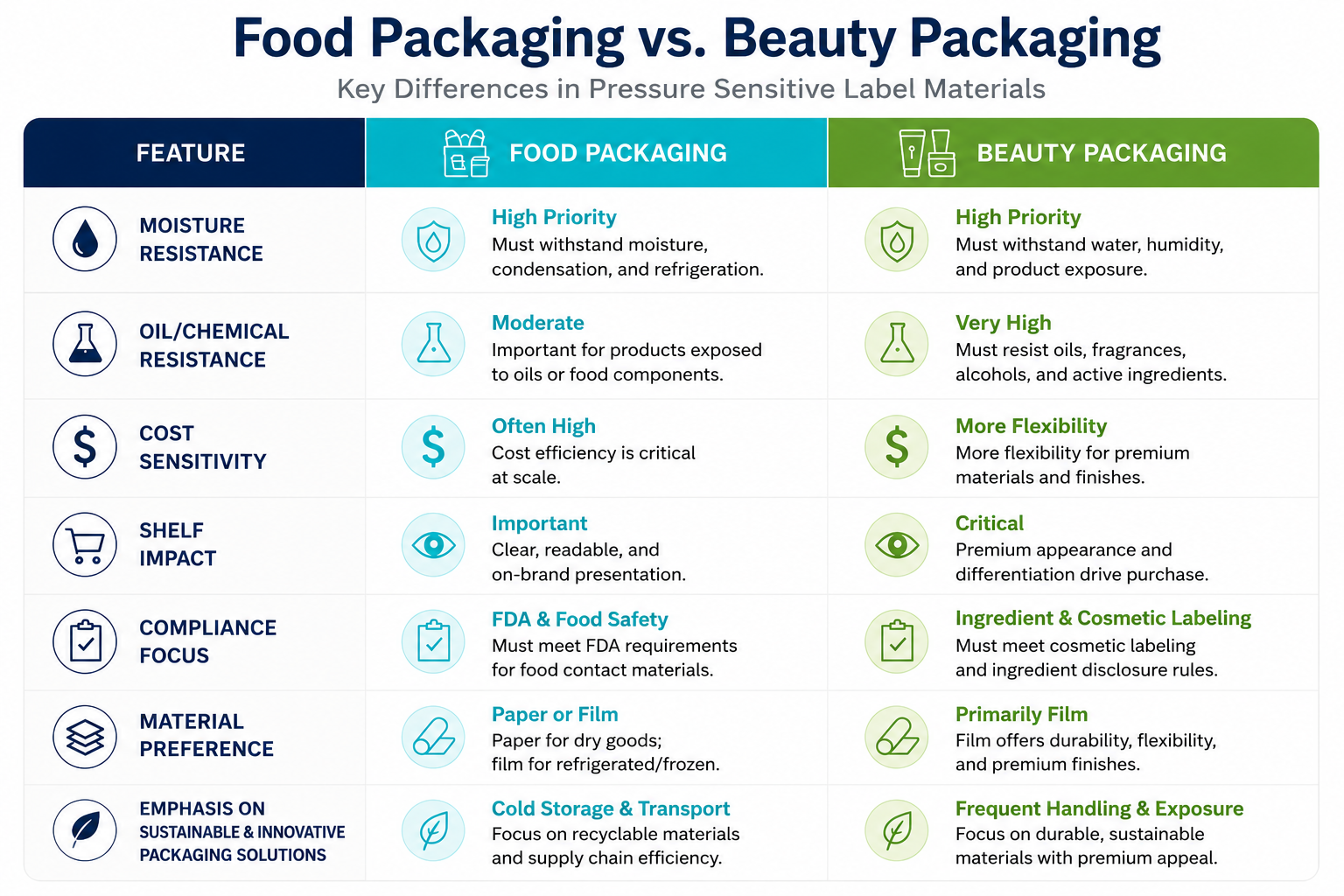
Food packaging typically uses paper labels for dry products and BOPP film labels for refrigerated or frozen items. Beauty packaging often uses clear BOPP, PE, or laminated films for durability and a premium look. The right material depends on the product environment, performance requirements, and sustainability goals.
Packaging labels need to do more than look good. A material that performs well on a frozen food package may not hold up on a beauty product exposed to oils, moisture, and frequent handling.
Choosing the right pressure sensitive label material helps protect product quality, strengthen shelf appeal, and support operational efficiency.
Quick Answer:
Food Packaging: Paper labels for dry goods, BOPP film labels for refrigerated and frozen products.
Beauty Packaging: Clear BOPP, PE, and laminated film labels for premium appearance and durability.
Best Choice: Match the label material to the product environment, moisture exposure, sustainability goals, and shelf-life requirements.
What Are Pressure-Sensitive Label Materials?
Pressure-sensitive label materials are self-adhesive and stick to packaging when pressure is applied. They do not require heat, water, or solvent activation.
These labels are widely used in:
- Food packaging
- Beverage packaging
- Beauty and cosmetic packaging
- Health and wellness products
- Household and consumer packaged goods
Pressure sensitive labels are popular because they offer:
- Fast application
- Strong print quality
- Flexibility across packaging formats
- Durable performance
- Compatibility with digital, flexo, and hybrid printing
Pressure sensitive labels can be made from paper, film, foil, or specialty materials, depending on the product’s needs.

Why Material Selection Matters
The wrong label material creates problems quickly.
Labels can wrinkle, peel, fade, absorb moisture, or lose adhesion if the material does not match the product environment.
For food brands, labels often need to withstand:
- Refrigeration and freezing
- Moisture and condensation
- FDA compliance and requirements
- Fast production environments
For beauty and personal care brands, labels often need to handle:
- Oils and chemicals
- Water exposure
- Premium visual expectations
- Frequent consumer handling
Common Label Materials
Before comparing food and beauty applications, it helps to understand the most common material categories.
Paper Labels
Paper labels are cost-effective and versatile. They work well for dry products and applications where premium durability is not critical.
Best for:
- Dry food packaging
- Short shelf-life products
- Budget-conscious applications
- Sustainability-focused brands
Pros:
- Lower cost
- Excellent print quality
- Recyclable options available
Limitations:
- Less resistant to moisture and abrasion
- Can wrinkle or tear in wet environments

Film Labels
Film labels are made from materials like polypropylene (BOPP), polyethylene (PE), or polyester (PET).
These materials offer stronger durability and moisture resistance.
Best for:
- Refrigerated foods
- Beauty and personal care products
- Products exposed to water and oil
Pros:
- Water-resistant
- Durable and flexible
- Premium shelf presence
Limitations:
- Higher material cost
- Recycling compatibility may vary
Specialty Sustainable Materials
More brands are exploring compostable, recycled-content, or low-carbon label materials to support ESG goals.
These materials help reduce environmental impact without sacrificing performance when selected correctly.
Best for:
- Sustainability-focused brands
- Natural and organic product lines
- ESG-driven packaging initiatives
Pros:
- Support sustainability goals
- Enhances brand credibility
- Available across paper and film constructions
Limitations:
- Some materials require specific storage or application conditions
- Availability can vary based on supply chain demand
- Recycling and composting requirements differ by state, which can affect material selection, disposal claims, and compliance across markets
Pressure-Sensitive Labels for Food Packaging
Food packaging environments are demanding.
Labels may encounter cold storage, moisture, grease, or rapid production speeds. Compliance and readability are also critical.
What food Brands Typically Need
Food labels often prioritize:
- Moisture resistance
- Adhesion in cold temperatures
- Barcode readability
- FDA-compliant materials
- Cost efficiency at scale
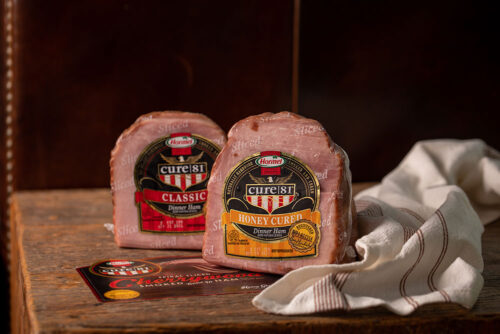
For refrigerated or frozen products, film materials like white BOPP are common because they resist water and maintain appearance despite condensation.
For dry goods, paper labels may provide a more cost-effective solution while still delivering strong print quality.
Sustainability Considerations in Food Labels
Food brands are under increasing pressure to reduce packaging waste and improve recyclability.
That means label construction matters more than ever.
Some brands are moving toward:
- Wash-off adhesives
- Recycled-content films
- FSC-certified papers
- Compostable construction where appropriate
The goal is not just sustainability claims. It is choosing materials that support operational efficiency and real-world packaging performance.
Pressure Sensitive Labels for Beauty Packaging
Beauty packaging has a different challenge.
Performance matters, but so does shelf impact.
Consumers interact directly with beauty products every day, which means labels must maintain a premium appearance through repeated handling, moisture exposure, and product contact.
What Beauty Brands Typically Need
Beauty and personal care labels often prioritize:
- Premium finishes
- Durability against oils and chemicals
- Flexible materials for squeezable containers
- Clear labels for “no-label” looks
- Consistent color and brand presence
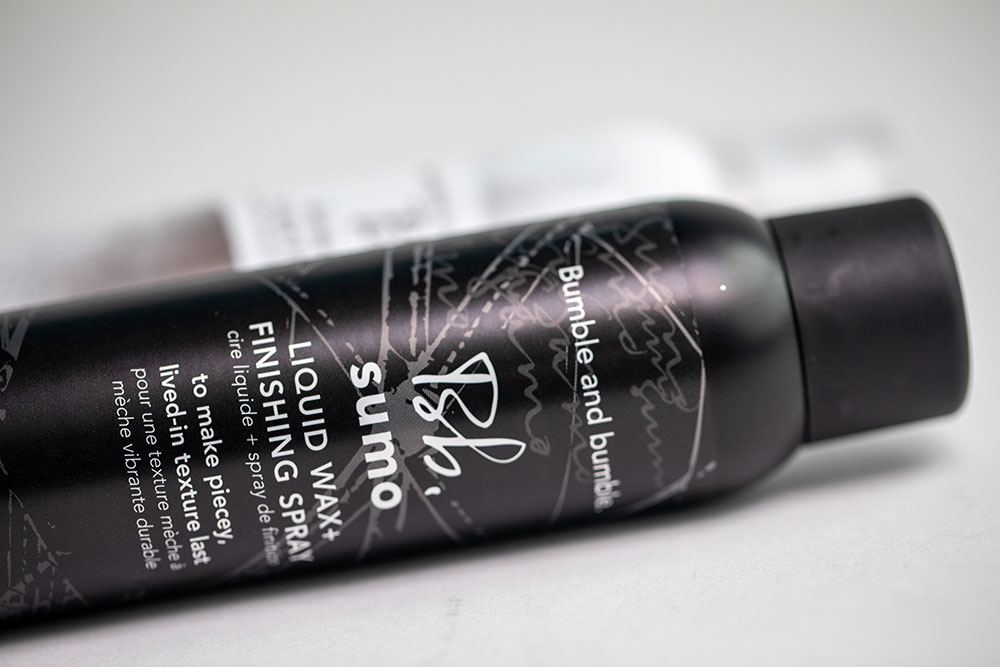
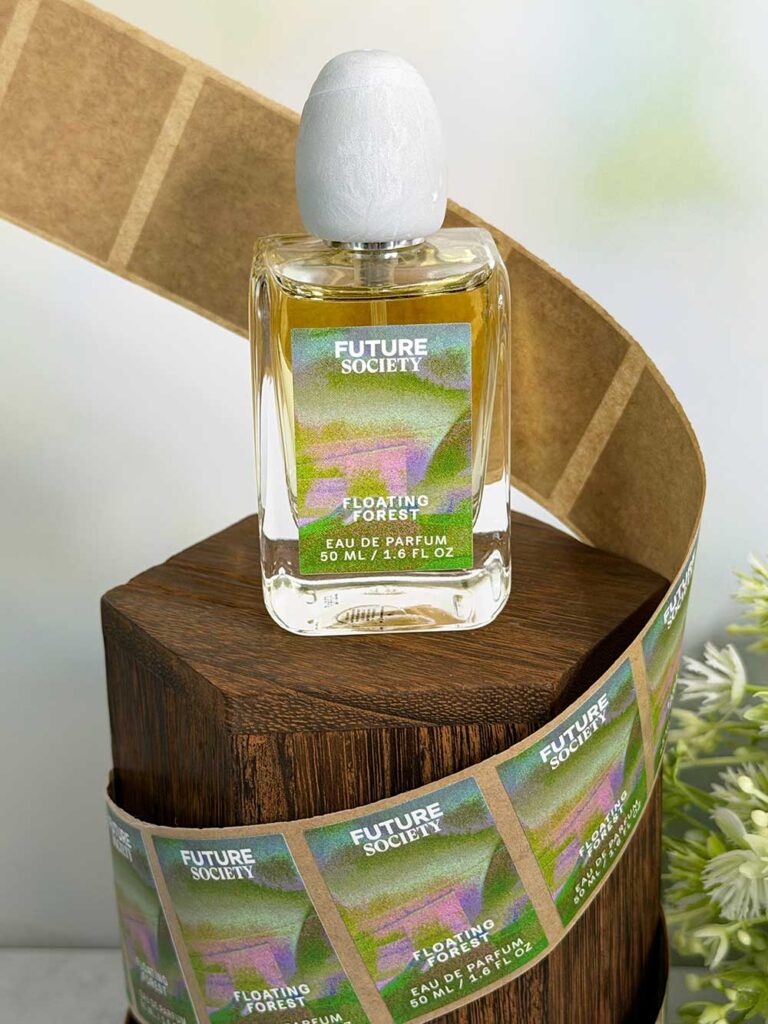
Film materials dominate in beauty packaging because they deliver stronger resistance to moisture, abrasion, and product exposure.
Materials like clear BOPP or PE are commonly used for:
- Lotions
- Serums and haircare products
- Cosmetics
- Bath and body packaging
These materials also support elevated decorative finishes like:
- Matte coatings
- Soft-touch laminates
- Metallic accents
- High-gloss effects
Your packaging should not only survive the bathroom counter. It should still look premium weeks later.

How Printing Technology Impacts Material Selection
Material choice and print technology work together.
Different label materials perform differently depending on whether the job runs on:
For Example:
- Digital printing supports shorter runs and customization
- Flexo excels at high-volume efficiency
- Hybrid printing balances flexibility and scale
The right packaging partner helps match:
- Material
- Adhesive
- Print method
- Finishing
- Sustainability goals
That means fewer production issues, better consistency, and less stress managing multiple vendors.

Why Pressure-Sensitive Labels Continue to Grow
Pressure sensitive labels continue to gain popularity because they combine:
- Speed
- Flexibility
- Strong branding opportunities
- Operational efficiency
For both food and beauty brands, they offer a reliable way to scale packaging while maintaining shelf presence and product performance.
As sustainability expectations and packaging complexity continue to grow, selecting the right label material becomes even more important.
The good news is you do not have to figure it out alone.
A knowledgeable packaging partner helps simplify the process, test materials in real-world environments, and ensure your packaging performs as expected from production line to shelf.
Why a Trusted Packaging Partner Matters
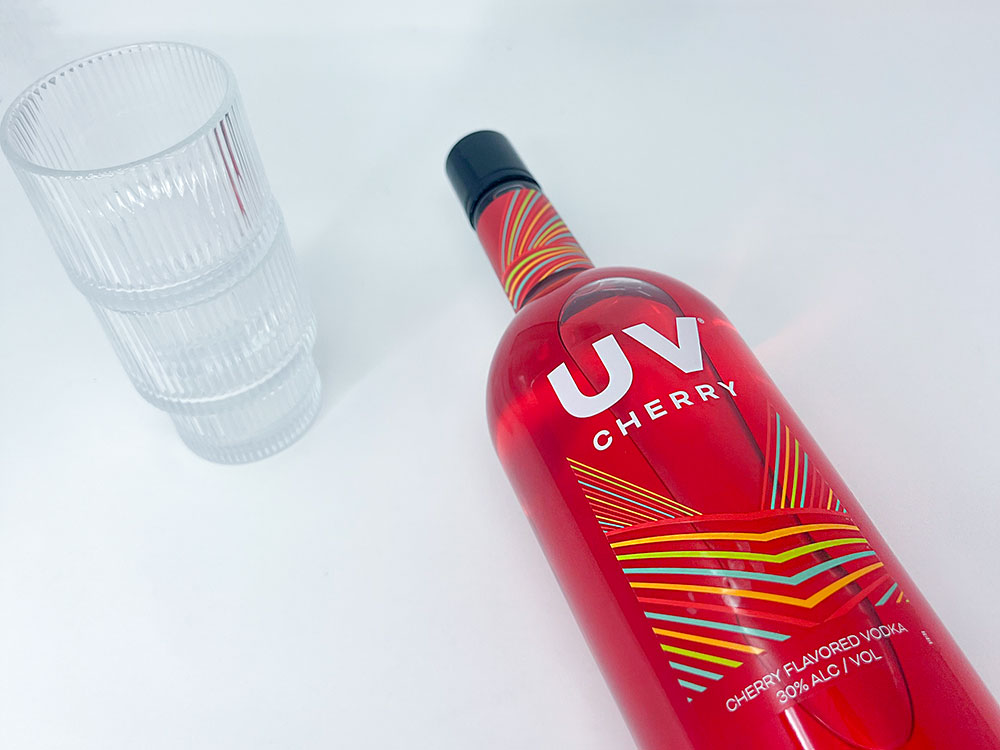
Choosing the right print and packaging partner is one of the simplest ways to protect brand color and reduce rework. A partner with disciplined color control and proven calibration practices can help you maintain consistent appearance across labels, folding cartons, and other formats, even when substrates, press types, or production locations change.
As a packaging manufacturer with deep expertise in high-performance printing for labels and folding cartons, Meyers helps brands maintain reliable color and print quality across complex SKU portfolios.
Meyers supports your team with:
- One partner for labels, folding cartons, and RFID-enabled packaging
- Print consistency across formats and repeat runs using measurable standards and controlled processes
- Support for color-critical programs, including calibration-based workflows and disciplined proof to production execution
- Sustainable, circular-friendly material options that align with ESG packaging targets
- Production practices that support responsible packaging goals and help reduce waste tied to color variation and reprints
- Experience managing large SKU portfolios across primary and secondary packaging
- Barcode and symbol quality checks to support scanning expectations and reduce downstream issues
- Responsive, relationship-driven service with the care and attention of a family business
With the right process, brands can maintain strong shelf consistency while simplifying internal approvals. Meyers helps make that easier by combining technical print capability, operational consistency, and packaging expertise across the formats brands rely on most.
Key Takeaways
- Pressure sensitive label materials should match the product environment
- Food packaging often prioritizes moisture resistance and premium finishes
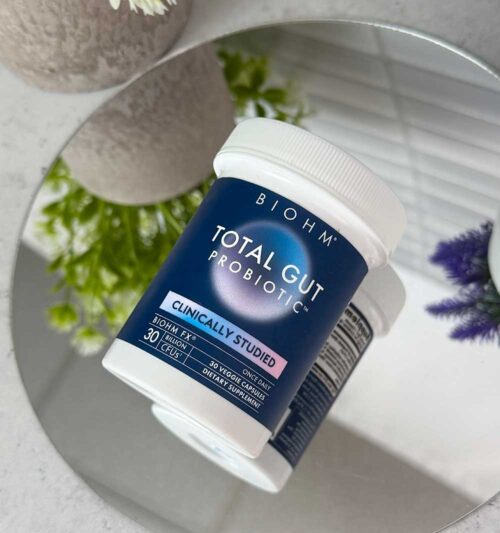
- Beauty packaging focuses heavily on durability, appearance, and premium finishes
- Film materials are common for both categories due to strong performance
- Sustainable label materials continue to grow across both food and beauty packaging
- Material selection impacts shelf appeal, durability, operational efficiency, and brand perception
Related Blogs:
- U.S. Packaging and Labeling Requirements: FDA, FTC, and FPLA Explained
- How Can Cosmetics Brands Prepare for Walmart’s Upcoming RFID Mandate?
- Food Packaging Ink Migration: Risks, Testing, & Prevention Strategies
- The Elements of Effective Label Design: Tips and Trends
FAQs About Pressure-Sensitive Label Materials
BOPP film labels are commonly used for refrigerated and frozen food packaging because they resist moisture and maintain strong adhesion in cold environments.
Beauty products often use film materials like clear BOPP or PE because they provide a premium appearance, flexibility, and resistance to oils and moisture.
Paper labels are more cost-effective and work well for dry products. Film labels offer greater durability, moisture resistance, and a premium shelf appearance.
Pressure sensitive labels are used for food, beverage, beauty, household, health, and consumer packaged goods because they are easy to apply and highly versatile.
Many pressure sensitive labels now include recycled content, compostable materials, and wash-off adhesives designed to improve recyclability and reduce environmental impact.
Consider:
Product environment
Moisture exposure
Chemical resistance
Shelf appearance
Sustainability goals
Printing method
Production requirements
Testing label materials in real production conditions is the best way to ensure long-term packaging performance.